
Messinia: One of the World’s Hottest Travel Destinations…
International media spotlight the Peloponnese as…

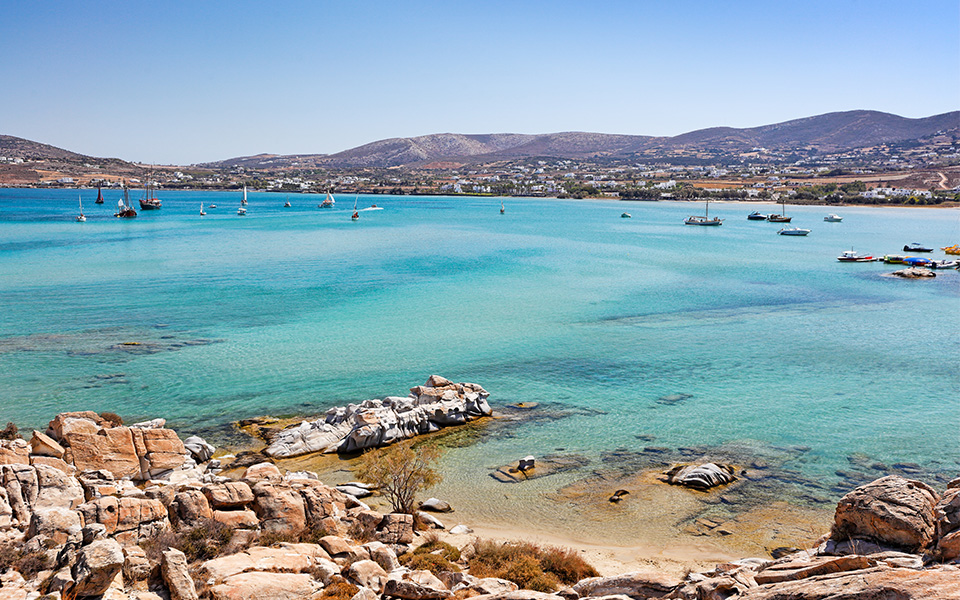
Kolymbithres Beach, Paros
© Shutterstock
A new feature by Condé Nast Traveller UK has turned its attention to Greece’s islands once again, selecting 15 destinations to visit in 2026 from the country’s 227 inhabited islands. Curated by Greece expert Katie Silcox alongside the magazine’s editorial team, the list reflects what travelers are increasingly seeking: authenticity alongside comfort, strong local food cultures, easier access, and alternatives to overtouristed hotspots.
While familiar names such as Santorini, Mykonos and Crete still feature, the selection also shines a light on quieter islands and slower-paced destinations that reward curious travelers. As Silcox notes, “Paros is at that perfect stage: lively… but it’s not at the overwhelming stage that some of its neighbours can sometimes feel,” capturing the list’s broader balancing act between buzz and breathing space.
In the Cyclades, Paros, Sifnos and Syros stand out for very different reasons – from Paros’s evolving hotel and dining scene to Sifnos’s reputation as one of Greece’s great food islands, and Syros’s layered architecture and year-round cultural calendar. Sarah Allard praises Sifnos for its crowd-light appeal, noting that choosing an island without an airport can mean “fewer crowds in an unspoiled setting.” Nearby Folegandros, Tinos and Kythnos represent the quieter side of Cycladic life, where hiking trails, traditional villages and long taverna lunches still define the gentle rhythm of summer.
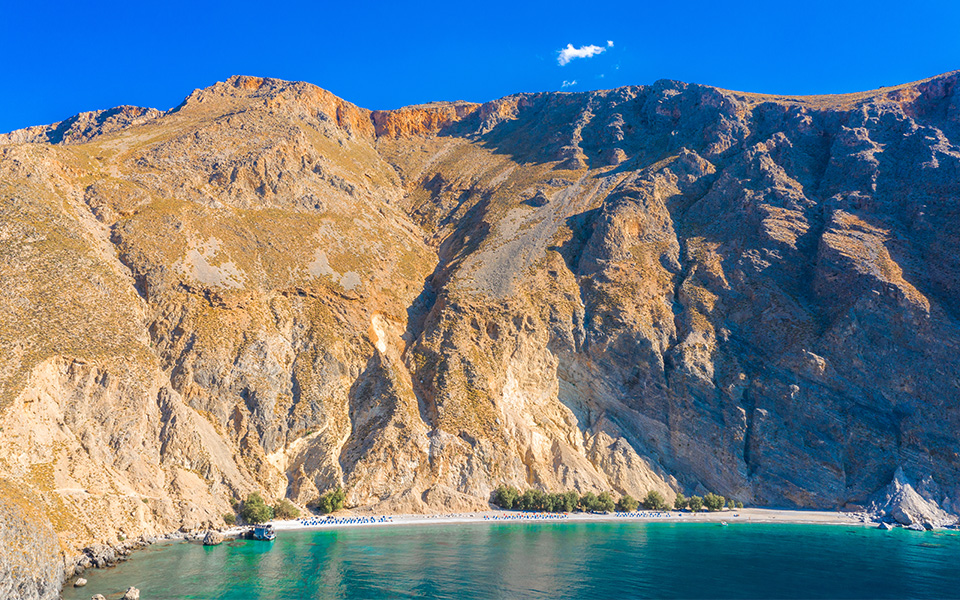
Glyka Nera Beach, Hania, Crete
© Shutterstock
Elsewhere, the list reconsiders better-known islands through a more nuanced lens. Santorini, while busy, is described as a place every traveler should experience at least once, while Mykonos is presented not only as a nightlife capital but also as a family-friendly island with calmer corners beyond its famous beach clubs. Crete, Greece’s largest island, is singled out as the ultimate all-rounder: “If you’re unsure which Greek island is best for you… Crete is your best bet,” Silcox writes, pointing to its year-round appeal, food culture and archaeological depth.
Beyond the Cyclades, Kefalonia brings Ionian drama with its mountain landscapes and luminous beaches, while Hydra continues to draw artists and creatives with its car-free lanes and enduring cultural cachet. In the eastern Aegean and Dodecanese, Kos is reappraised through its archaeological heritage and emerging boutique hotels, while Leros is described as a “well-kept secret” shaped by striking architecture and an unhurried pace of life. Lesvos, often overlooked, earns its place for its raw landscapes, ouzo culture and deep-rooted literary heritage, while tiny Kastellorizo – “spoken about in whispers,” according to Silcox – rounds out the list with its secluded, end-of-the-line charm.
Taken together, Condé Nast Traveller’s 2026 selection paints a picture of an island-rich nation defined not by a single summer stereotype, but by remarkable variety – and by islands that continue to reward travelers willing to look beyond the obvious.
International media spotlight the Peloponnese as…

Extended flight schedules and rising demand…
Travelers can enjoy quieter Greek destinations…

Paros rises as a global favorite,…

