
Kerameikos: An Oasis in the Ancient City
The Kerameikos archaeological site provides a...

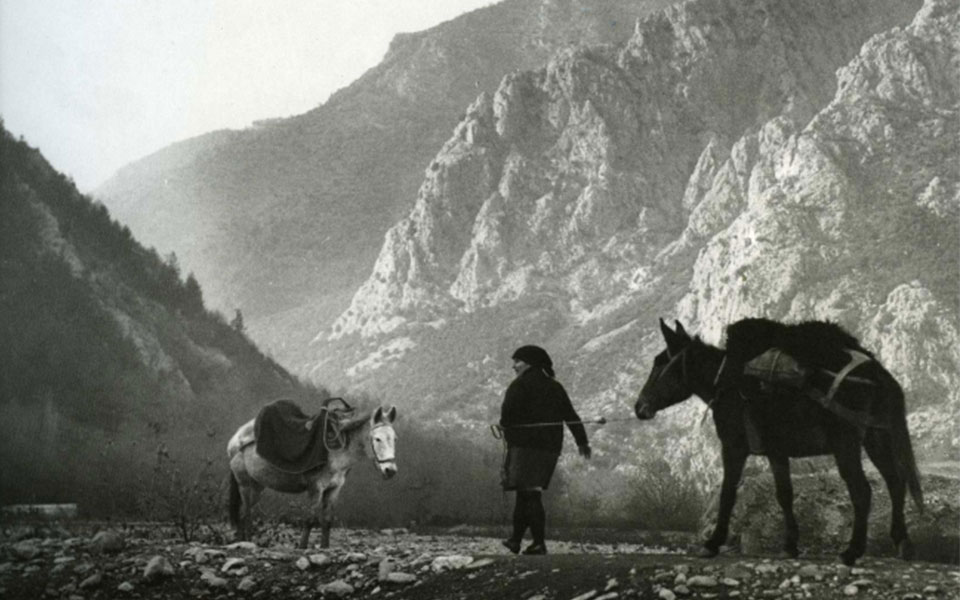
Balafas returning home with the horses.
Metsovo’s enduring charm and cultural vitality are largely due to the dedication of two of its great benefactors: Evangelos Averoff (1908-1990) and Baron Michael Tositsa. Together, their foresight and generosity helped preserve local traditions while laying the foundations for a flourishing cultural life. Under the guidance of Evangelos Averoff, the Tositsa Foundation undertook an ambitious program of restoration and development – building schools, reviving monasteries, and founding the woodworking factory, the renowned cheese factory, a folk-art shop, and an embroidery school.
Averoff also replanted the historic Yiniets vineyard, bringing back Metsovo’s winemaking heritage. Averoff himself was a man of extraordinary breadth: a politician, writer, and statesman who served as Minister of Foreign Affairs and bravely opposed the military junta. Alongside his public service, he wrote essays, plays, short stories, and historical works. Yet one of his greatest legacies lies in his devotion to art.
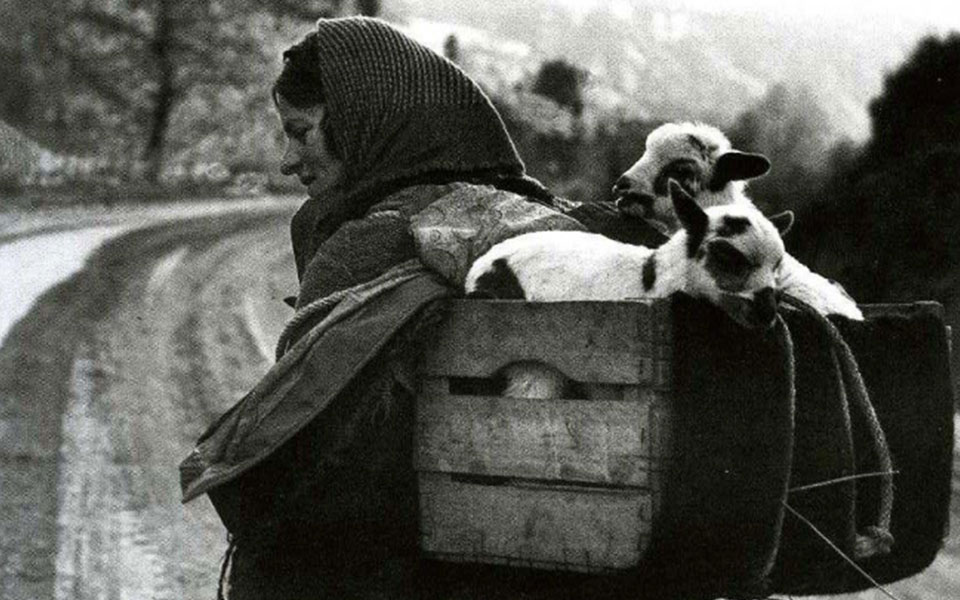
Balafas carrying lambs
Parallel to these many other acts of service, Averoff amassed one of the nation’s most significant private collections of Greek art. Intending from the outset to one day donate it to the foundation in order to create a museum, he built a collection that spans the major currents in 19th– and 20th-century Greek art, containing many significant pieces and works from most major artists. The museum, which opened in 1988, serves as a cultural expression of his dedication to the public.
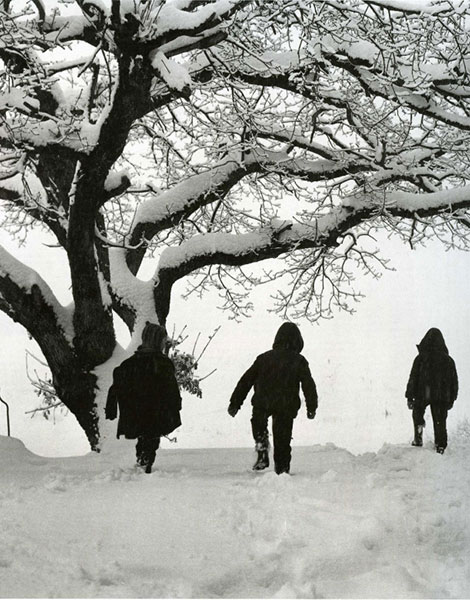
Balafas children in the snow.
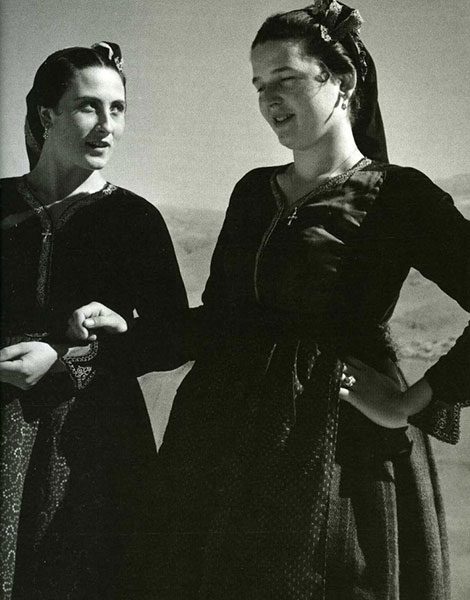
Balafas fine young women of Metsovo.
The purpose-built museum, a fine stone building with a pitched slate roof, is a beautiful example of the traditional regional architecture of Metsovo. Inside, however, the atmosphere feels strikingly contemporary, its series of light-filled galleries creating a sense of openness far greater than the exterior suggests. The first work you see upon entering is a very special painting: a portrait of Evangelos Averoff by George Rorris, one of Greece’s foremost contemporary painters. The 2023 documentary The Portrait, by Antonis Simeonidis, is a moving meditation on the artist and his subject, as well as a powerful depiction of the creative process. The film, with subtitles in English, can be seen here.
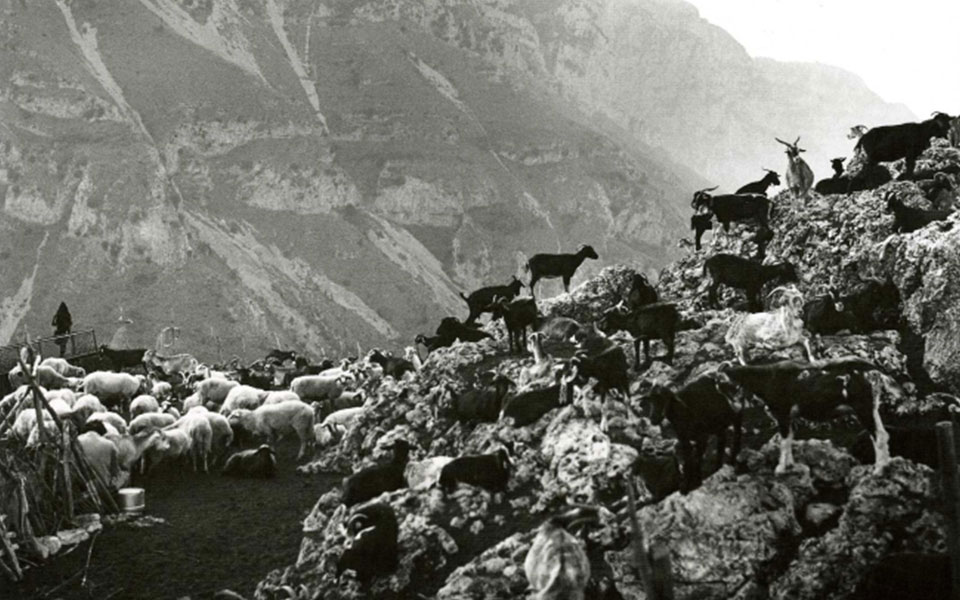
Blafas migration of the flocks.
The Averoff Collection traces the evolution of all the major movements in modern Greek art, from the Munich School and the post-revolutionary period through the Generation of the ‘30s and into the modern period and the avant-garde. There is a strong sense of Greek cultural identity expressed through works that have a universal resonance, such as the superb seascapes by Constantinos Volanakis and Ioannis Altamouras and the history and genre painting of Nikiforos Lytras and Georgios Iakovidis. There’s also over a century and a half of fine portraiture.
Dialogues with international movements emerge in the fine impressionist works of Sophia Laskaridou and Thalia Flora-Karavia and the post-impressionism of Constantinos Maleas. The Generation of the 30’s, a seminal movement of artists seeking to define Greekness in the wake of the Asia Minor Catastrophe, features prominently. There are works by Yiannis Moralis, Yannis Tsarouchis, Nikos Hadjikyriakos-Ghika, Spyros Vassiliou, Andreas Vourloumis and George Vakalo, among others. The modern collection is quite strong, including works by Panayiotis Tetsis, Eleni Zongolopoulou, Alekos Fassianos, Chronis Botsoglou, Vasilis Sperantzas, and Yorgos Vakirtzis, alongside contemporary, abstract and avant-garde works by Leda Papaconstantinou, Opy Zouni, Kostas Tsoklis, and others.
The sculpture collection, though smaller, is distinguished by works from masters such as Yannis Pappas, Athanase Apartis, and Titsa Chrysochoidi, complemented by bold contemporary pieces from Theodoros Papaioannou and Kyriakos Rokos.
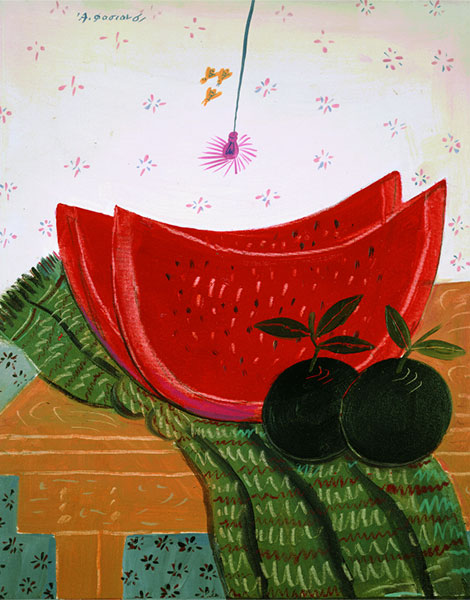
Alekos Fassianos, A Warm Day, 1966, oil on canvas.
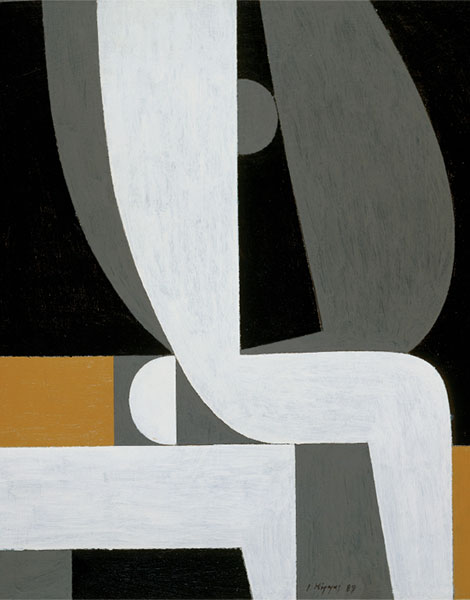
Yannis Moralis, Erotiko, 1977, acrylic on canvas
A powerful complement to the paintings and sculptures, the museum’s permanent photography exhibition “Travels in Metsovo” presents the work of Kostas Balafas.
Born in Epirus, Balafas was a member of ELAS (the Greek People’s Liberation Army), capturing images of the fighters and the destruction of war. In peace time, he turned his focus to the rugged beauty of his homeland, the remote villages of the mountains of Epirus. His photographs of mountain villages, women carrying infants through the snow, children walking home from school, and shepherds tending their flocks reveal a world of hardship, dignity, and quiet grace.
The subjects wear garments they have woven and embroidered by hand. The images reflect a way of life deeply tied to the land and with none of the comforts of modernity, a life shared by countless generations of the past. It’s extraordinary that these images were taken in the 1960s and 1970s, barely a generation ago. They inspire great admiration for the resilience of the local character, adding depth to the contemporary Metsovo experience.
Visiting the Averoff Museum offers a rare opportunity to appreciate Greece’s vital contribution to international art movements from the 19th century to today. Set in Metsovo, the museum’s location and architecture lend deeper resonance to the experience, highlighting a strong sense of identity and an unbroken continuum of artistic excellence – from traditional craftsmanship to contemporary expression.
The Kerameikos archaeological site provides a...

Landmark shops, a lively cultural scene...

Cultural leaders reflect on Thessaloniki’s layers...
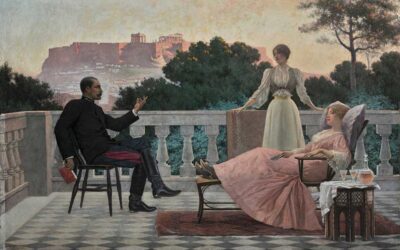
Flirtation, romance, poignance, eroticism, domestic bliss...