“I’m a Student With No Regular Income –...
On her first ever holiday alone,...

© Ilias Miliakis
Sometimes when I’m elsewhere in the world, the shape of Aegina appears to me in the most random things; I’ve seen the island’s outline in clouds, in spilled coffee, and in the paving stones on Mitropoleos Street in Athens. Almost triangular, my island looks strangely like a fat comma to me – a fitting shape, accurately reflecting what Aegina is to most Athenians: an island not quite suitable for their main summer vacation, but perfect for a pause, a breather, a short break.
Like my father was, I’m proud of my island, loving it with all its imperfections. If I were a civil servant, a map of Aegina would be on the wall of my office. If I had a car, the map would be my bumper sticker.
A perfect weekend
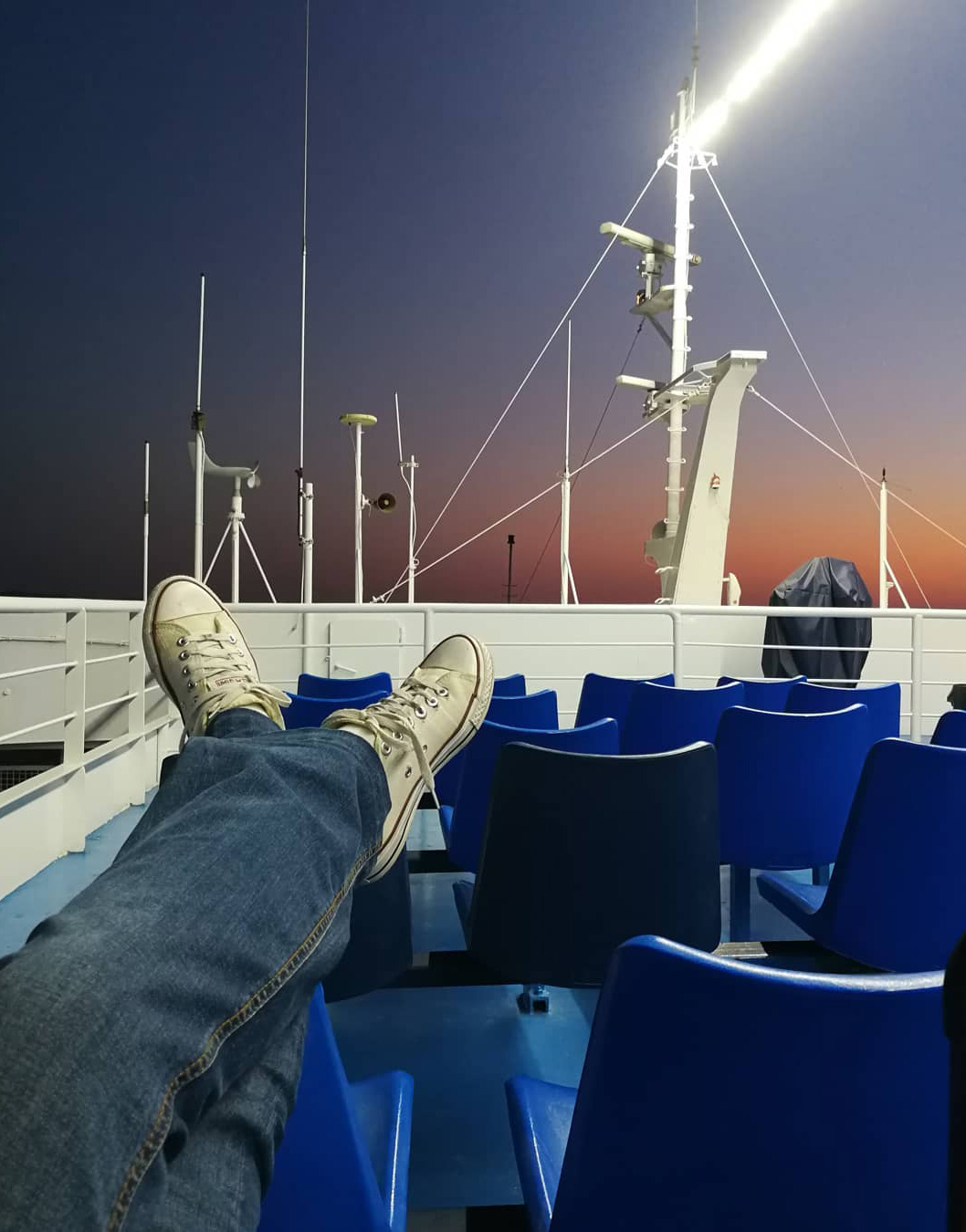
While the island’s shape is forever etched in my mind, I don’t perceive Aegina as being limited by its shorelines. As soon as I board any of the ferries bound for the island, as I usually do after work on Fridays, I feel like I’m already home. In the summer, when tourists fill all the interior spaces of the boat, covering their tables with beers from the ship’s snack bar, I know on which side of the deck outside to find shade, and when I lose cell phone reception, I know we’ve reached the Laouses (or Lagouses) islets. I look up then to see Aegina approaching – my favorite view.
First, the village of Souvala appears, and high up to the east, while difficult to spot from here, hidden somewhere in the pine forest, is the Temple of Aphaia. Anyone approaching that archeological site right now can spot our boat clearly if they’re looking out to sea. Perhaps they’re trying to figure out in which directions the Parthenon lies, or where the Temple of Poseidon at Sounio stands, having heard the old story of how the three temples were built exactly where they are in order to form an isosceles triangle (other versions of this legend mention the Temple of Hephaestus in place of the Parthenon, or the Temple of Apollo at Delphi instead of that for Poseidon at Sounio – neither is actually very likely to be true).
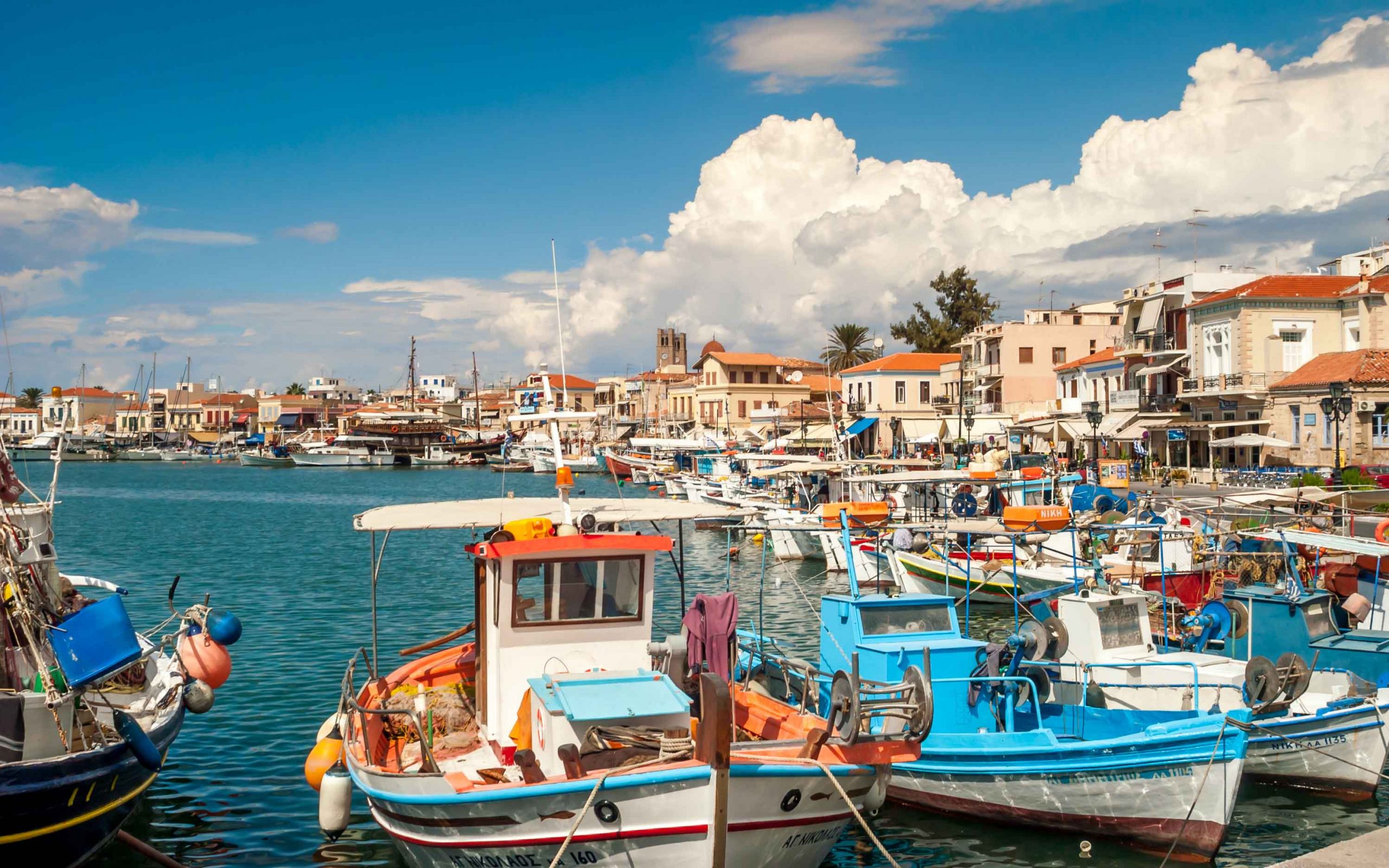
The port of Aegina
© Shutterstock
© Paulina Björk Kapsalis
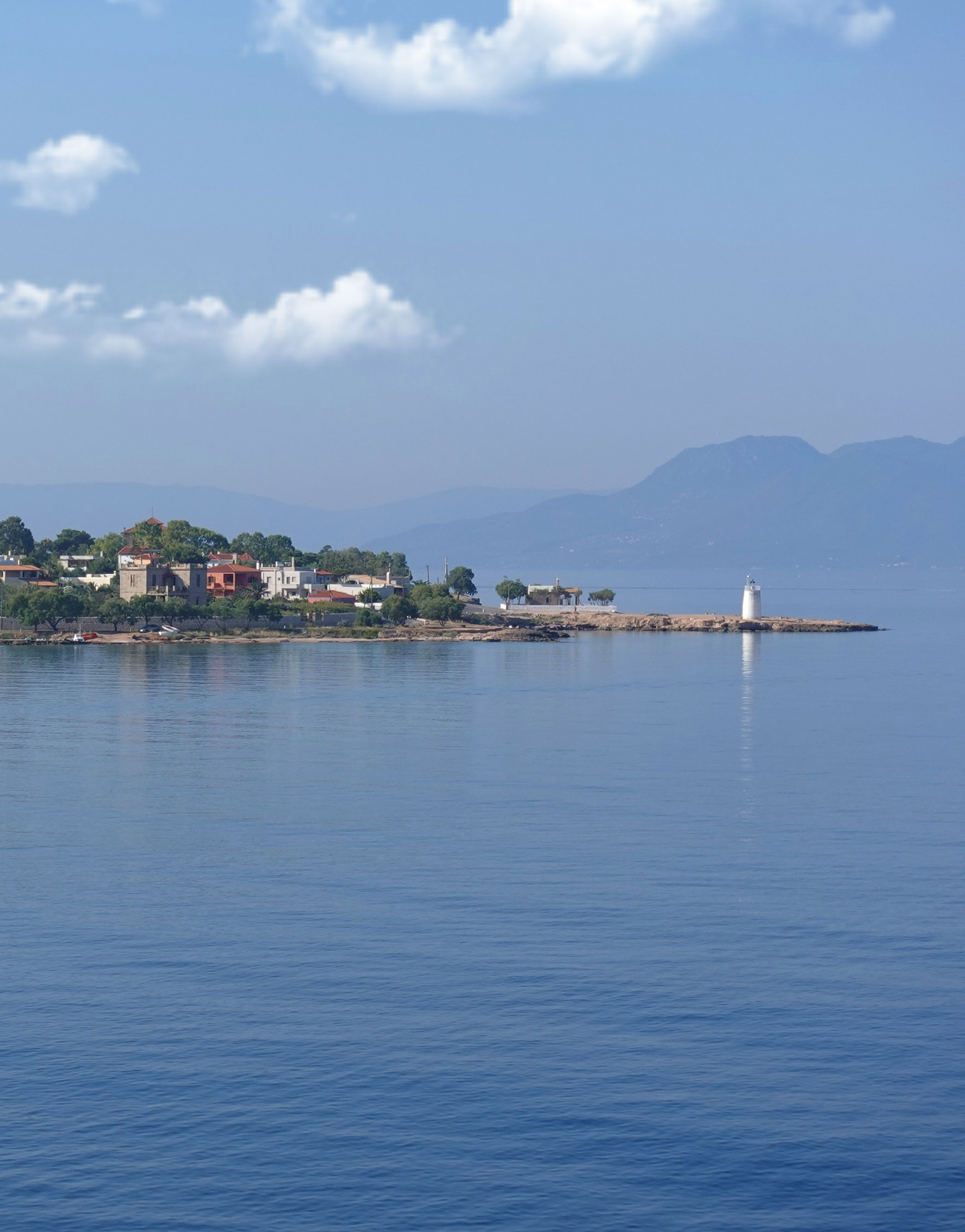
The lighthouse and the Church of Aghioi Apostoloi, at the island's western tip.
© Shutterstock
The ferry turns right and we’re soon rounding the island’s western tip. The small headland here is home to a lighthouse and to the Church of Aghioi Apostoloi, which so many people (locals, Athenians, foreigners, my parents) have chosen as their perfect spot to get married. A few minutes later the lone column on the hill at the archeological site of Kolona marks our arrival at Aegina Town, home to arguably the island’s most photogenic feature, the neoclassical buildings that line the waterfront. The cell phone reception’s back so the phone comes out and snap: Instagram, hashtag home.
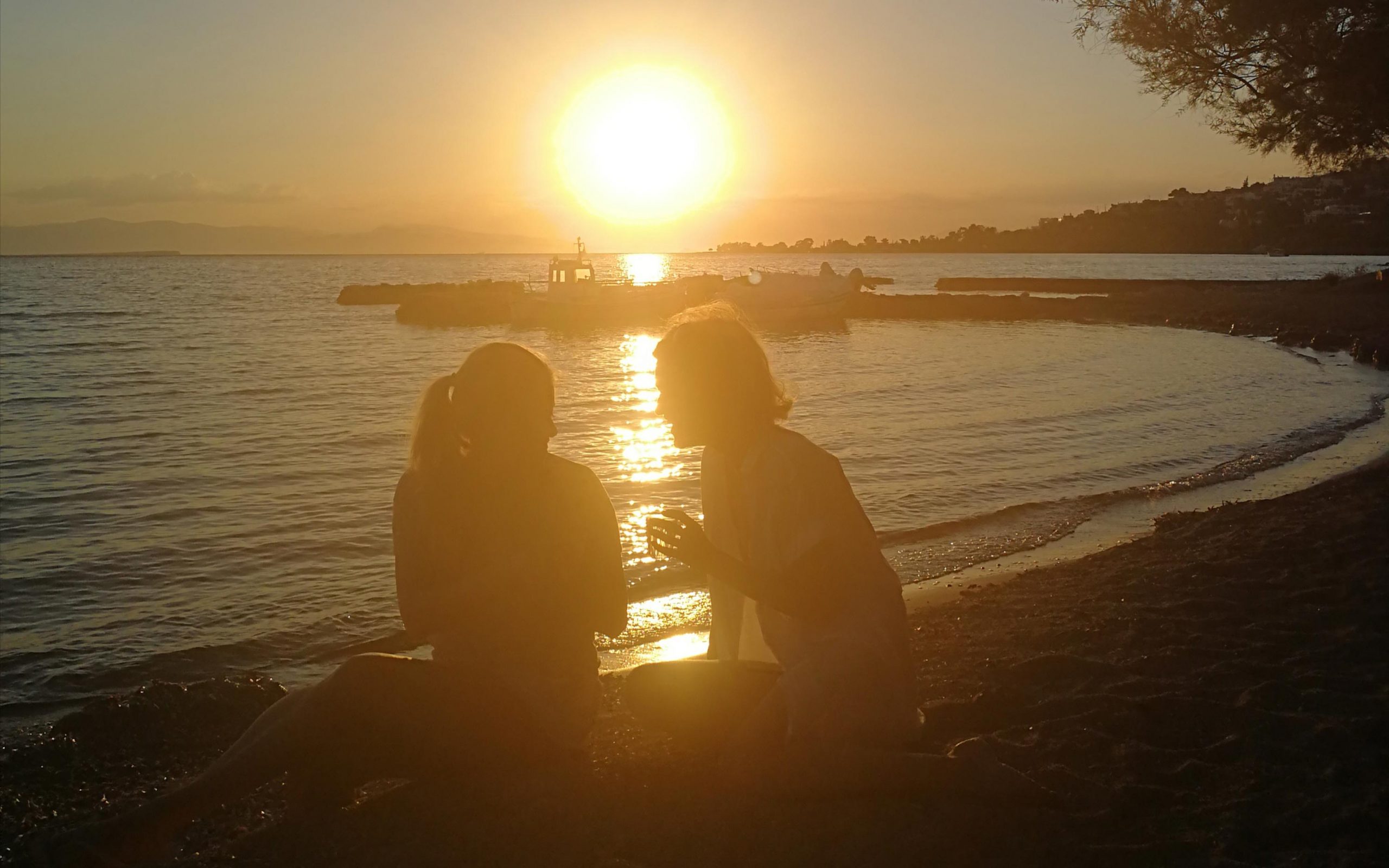
On a perfect weekend home, I head straight from the boat to the beach. The cove of Aiginitissa, in the concave curve of the comma about a twenty-minute drive from the port, has warm shallow waters, iridescent here and there with a thin film of sunscreen oil from the swimmers, but the shade from the tall eucalyptus trees on the beach is hard to beat. I choose some sushi and a cocktail for dinner at Fyki, the beach bar here.
© Paulina Björk Kapsalis
A day by the sea
The next morning, I point a wet finger to the sky to make sure the wind isn’t blowing from the east, and stock a cooler for a trip to my favorite hideout. We drive past the soaring domes of the Aghios Nektarios Monastery and over sage-scented hills. Beyond Aghia Marina, a tourist town-blemish frozen in time since the 1990s, we make a tight turn, and head downhill towards the sea on a road that soon turns into a bumpy firebreak through the trees.
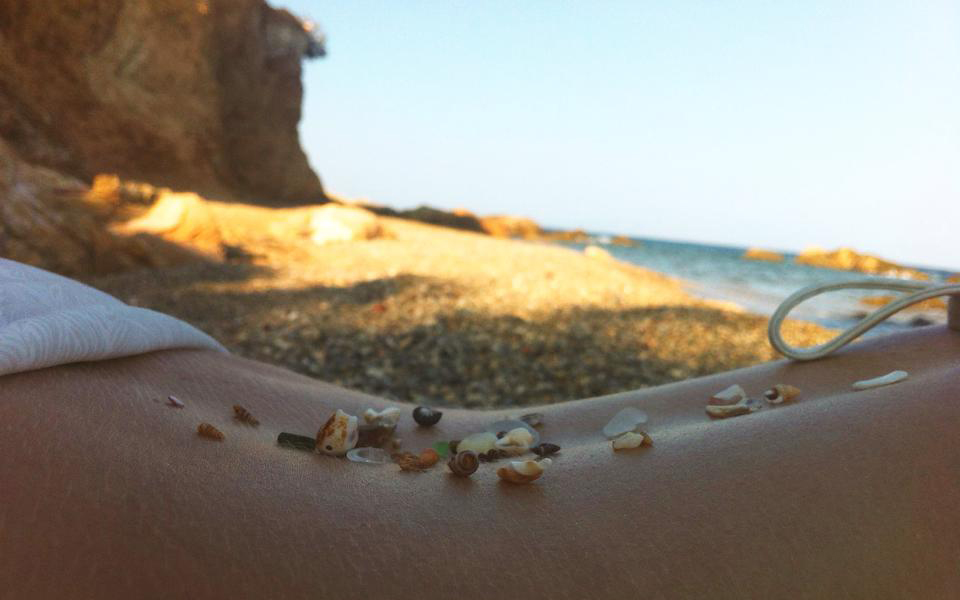
At the end of the road, a handful of people are fishing and sunbathing on the rocky shore, but although we park here, we’re not stopping. Instead, we push on, following a near-invisible path straight into thick shrubbery. Clearing this undergrowth, we slide down an incline with the help of a rope and find ourselves in paradise: a sandy strip hidden below a steep earth wall, with plenty of rocks to sit on and act out the little mermaid, and a tiny islet to explore a short swim away.
Once we run out of supplies, or when we can no longer ignore the danger of sunburn, we drive back up the hill to the Tholos taverna, a family-owned gem with simple food served in the shade of a giant pine tree. Before heading back to Aegina Town, we stop at the cliff by the currently closed Sotos Beach Bar to dive into a sea so turquoise that it looks like an ad for charter travel from Aghia Marina’s heyday.
View this post on Instagram
Evenings with friends
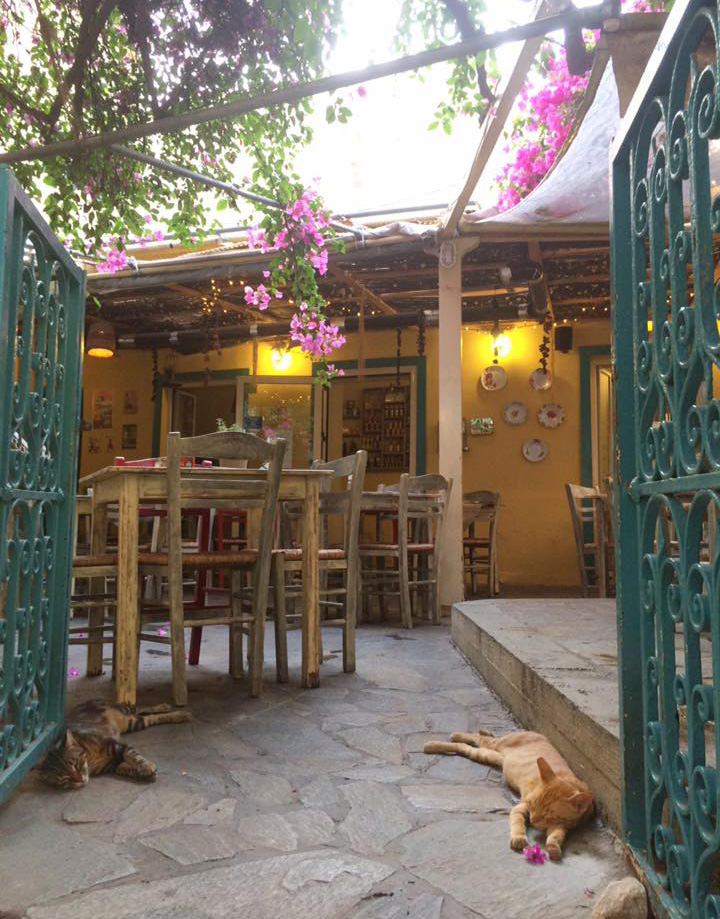
In the evening, I walk downtown to my friend Christos’ charming restaurant, Bakalogatos, where some other friends are playing entechno (urban folk music) this night. I order the tirato riganato (fried pork with feta cheese and oregano), hoping it will help balance out the alcohol, knowing that the tsipouro (pomace brandy) is bound to flow, as it should to live music. By the end of the meal, we’re the restaurant’s last remaining patrons and we lower our voices so as not to bother the neighbors. Most weekends, a bar crawl follows, ending in the early hours of the morning with another fatty meal at Aegina’s surprisingly excellent pizzeria, Giotas.
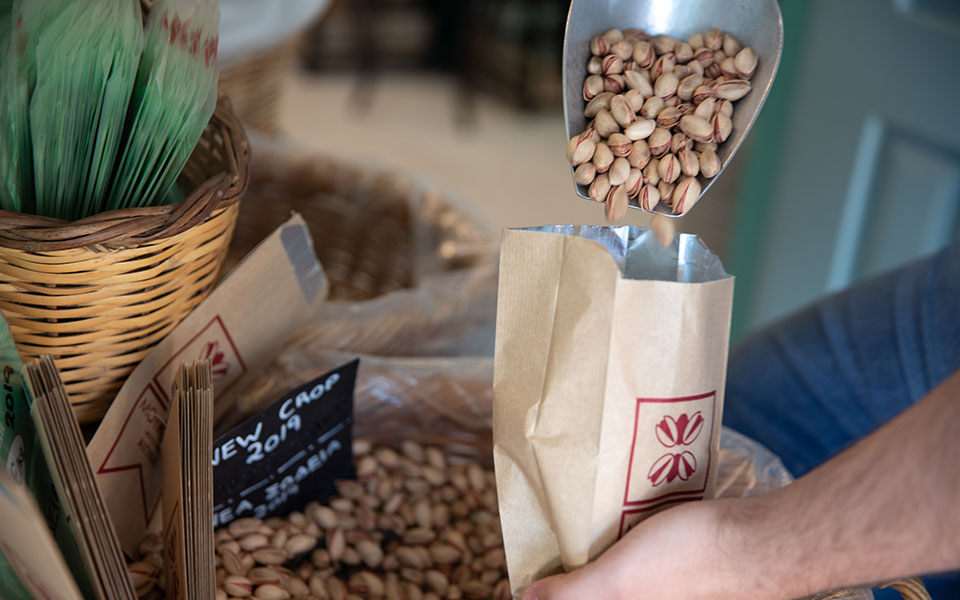
On Sundays, the day for worship and hangovers, I often spend time on my veranda listening to the cicadas and taking in the clean island air, praying I might soon live here permanently again. I check the state of my pistachio trees. In August, the first nuts are ready to be handpicked from the branches, and I peel as many as I can to bring back to Athens.
© Paulina Björk Kapsalis
© Paulina Björk Kapsalis
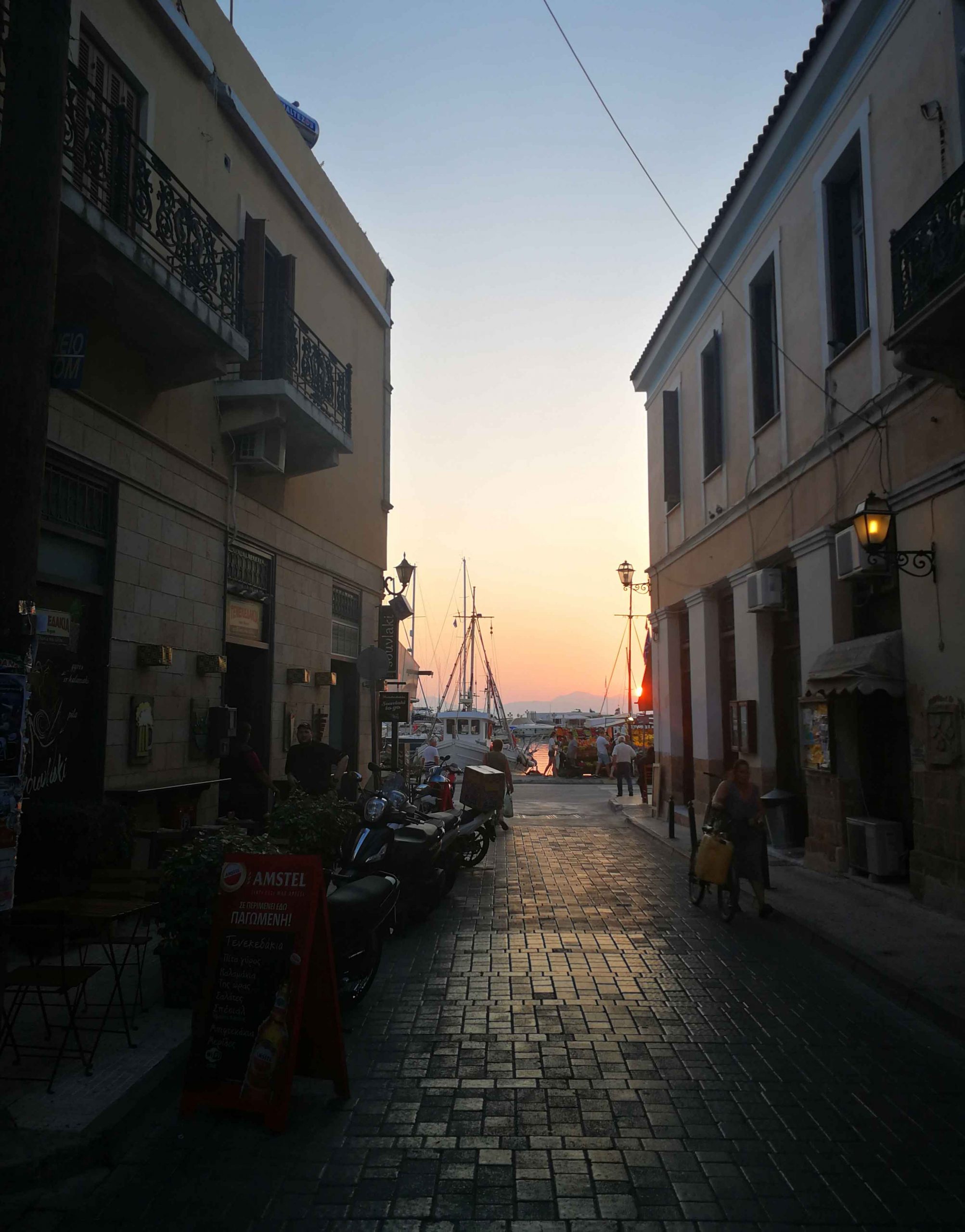
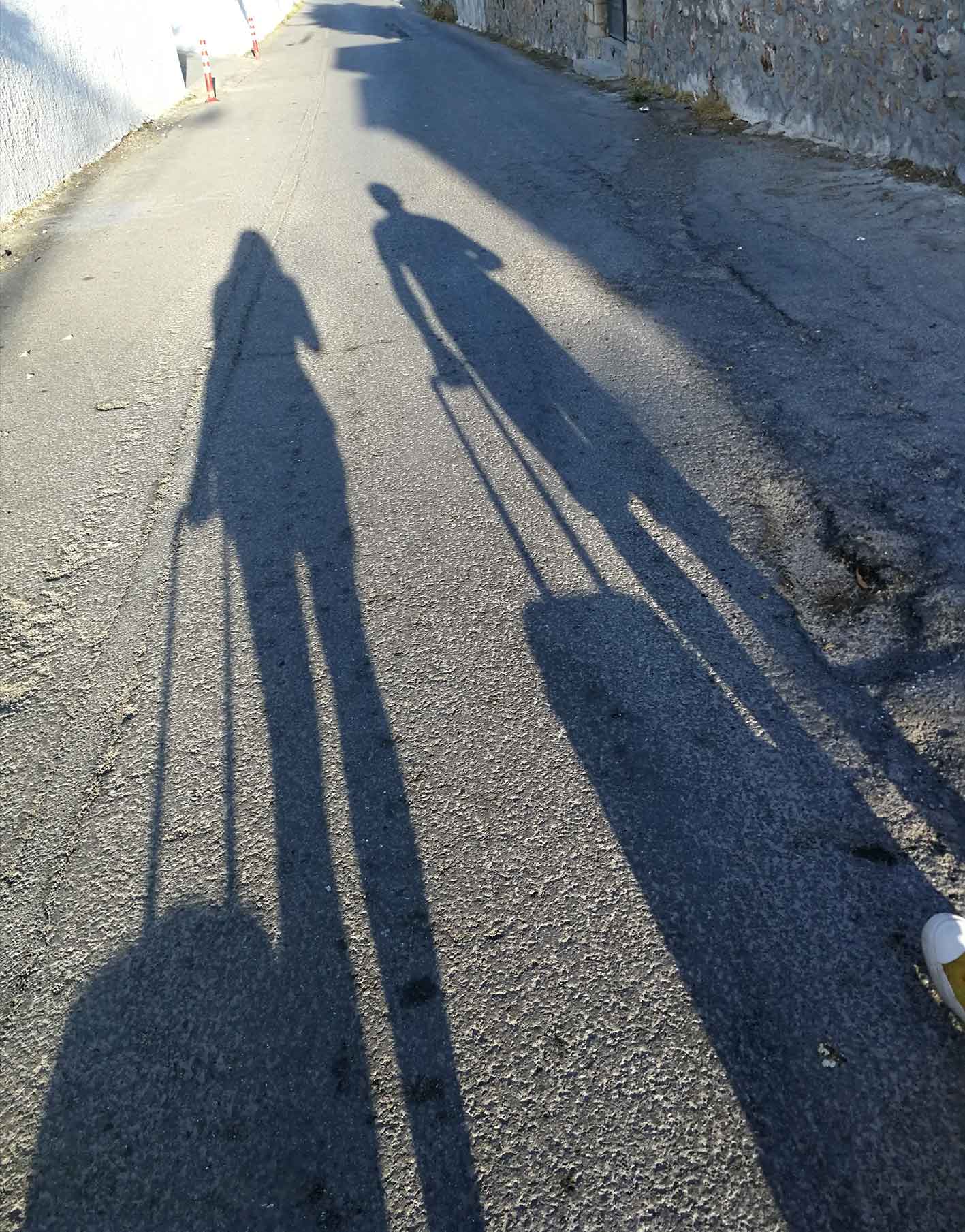
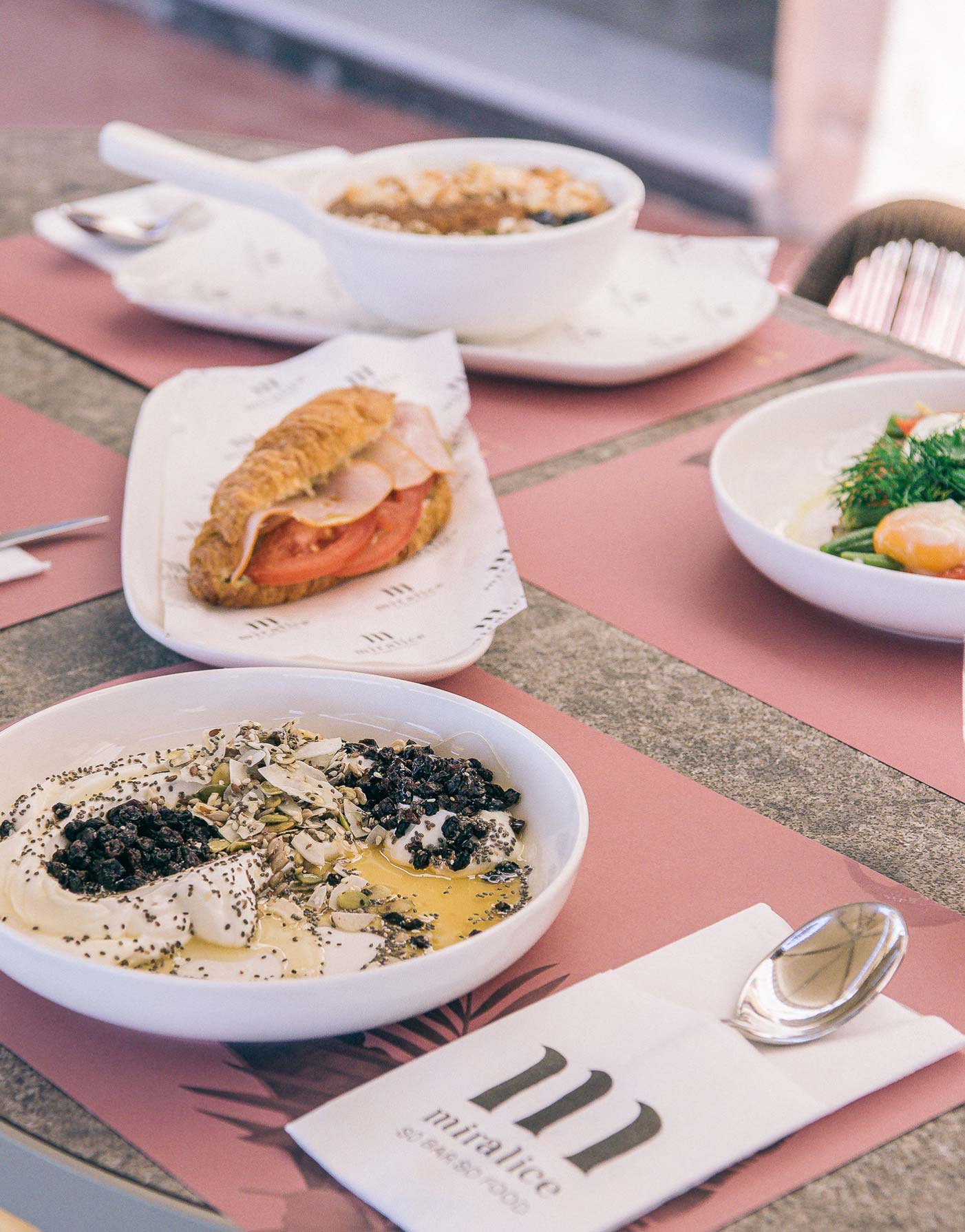
I treat myself to a late brunch at Miralice by the port, watching the sea beyond the sailboats turn orange as the sun sets. The tables around me empty as the ferries leave. The sounds of suitcases rolling across the street mix with a few honks from car horns as people make their last-minute rushes for the ferries, loaded down with bags of fistikata (pistachio marzipan) and bouquets of flowers from their gardens wrapped in wet paper and aluminum foil.
Once they’re gone, a calm descends. As for me, I’m not moving. I have no urge to see the picturesque waterfront disappear behind Kolona, or to head in the wrong direction back round the church where my parents got married, or watch my comma-shaped island disappear into the dark behind me. I can leave tomorrow.
Bakalogatos
© Paulina Björk Kapsalis
Miralice
© facebook.com/miraliceaegina
Mourtzis
© Dimitris Vlaikos
Svarna
© Dimitris Vlaikos
On her first ever holiday alone,...

Unexpected discoveries and timeless classics. Everything...

Your summer map to Ios: what...

More and more Europeans retire to...