Margarites: The Potters’ Village of Rethymno
In Margarites, Crete’s historic pottery village,...

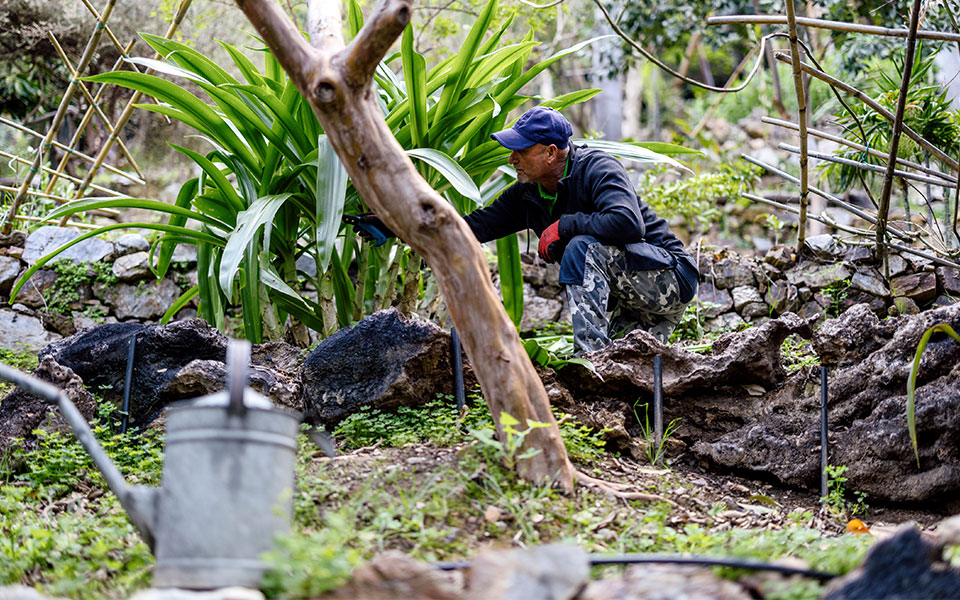
Τhe Botanical Park & Gardens of Crete stretches across nearly 200 acres at the foothills of the White Mountains.
© Angelos Giotopoulos
A small group gathers around a passion fruit tree. It’s the season for this tropical vine to bear fruit, and a couple from Poland examines the deep purple pods with curiosity. Nearby, two parents from the United States kneel beside their children, explaining the life cycle of trees. Just behind them, avocados and lychees hang heavy, only days away from ripening.
Eighteen kilometers from the city of Ηania and just above the village of Fournes, the Botanical Park & Gardens of Crete stretches across nearly 200 acres at the foothills of the White Mountains. Here, almost everything grows: from Mediterranean herbs and citrus trees to exotic fruits and rare blooms. But what thrives here today began not in tranquility, but in the aftermath of destruction, forged through vision and unwavering resolve.
© Angelos Giotopoulos
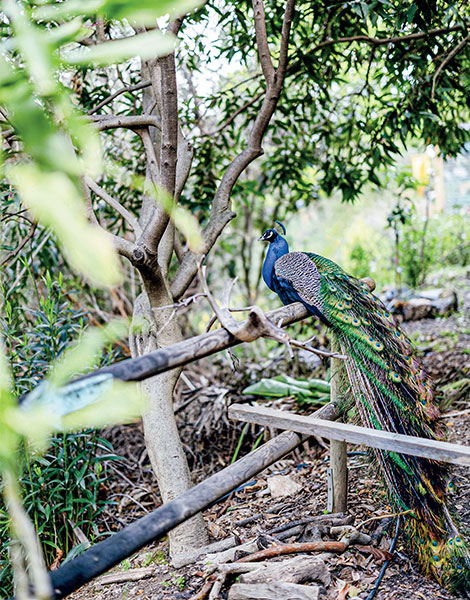
There are also deer, donkeys, geese, ducks, and peacocks living in the garden.
© Angelos Giotopoulos
On the night of October 23, 2003, the small mountain settlement of Skordalou was evacuated as a wildfire tore through the region. The few remaining residents, mostly elderly, gathered in the village church before being taken to safety. Winds gusting up to force 8 on the Beaufort scale made it nearly impossible to contain the flames.
Among those watching the fire consume ridge after ridge, including his family’s ancestral olive groves, was Petros Marinakis. That night would become the seed of something entirely new.
A few months later, in March 2004, Petros planted the first tree. Grief slowly gave way to purpose: a desire to restore the hills and reconnect with the land. What began as a personal act of healing soon evolved into something grander; not just a tribute to Crete’s endemic flora, but a living celebration of plant life from around the globe.
© Angelos Giotopoulos
© Angelos Giotopoulos
“For the first time in human history,” he says today, “people are so deeply disconnected from their natural environment. We live in boxes, in cities. Children don’t know where things come from, how food grows from the earth.”
Building the park was far from easy. It took over six years before it opened its gates to the public in 2010. Plants had to be imported under special protocols, growing conditions had to be adjusted, and trails designed to welcome visitors in a way that felt both natural and respectful.
And yet, the word garden hardly does it justice. Walking through it, you don’t feel like you’re in a man-made park. Thousands of species now thrive here — trees, herbs, flowering plants — all so well integrated into the landscape that the park feels like you’ve stepped into a naturally green corner of Crete. That’s what makes the Botanical Park of Crete so special besides its vast biodiversity: the way it blends into the wildness of the land.
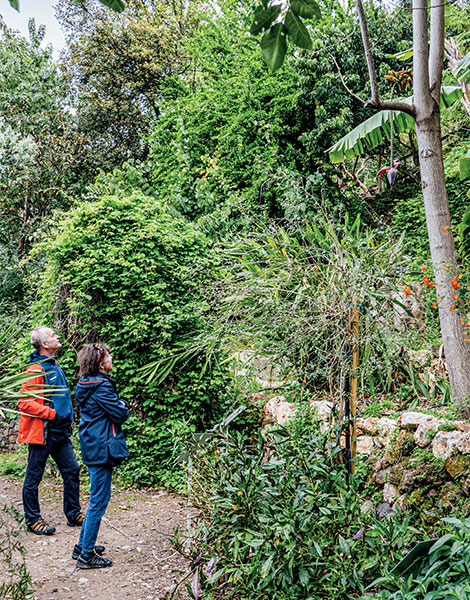
Visitors observe the plants and trees of the Botanical Garden, located 18 km from the city of Ηania.
© Angelos Giotopoulos
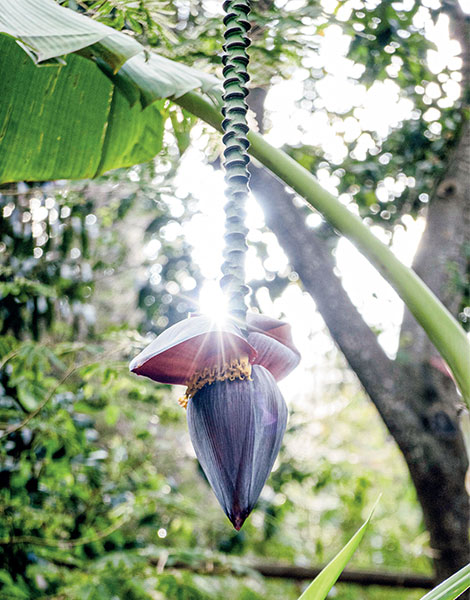
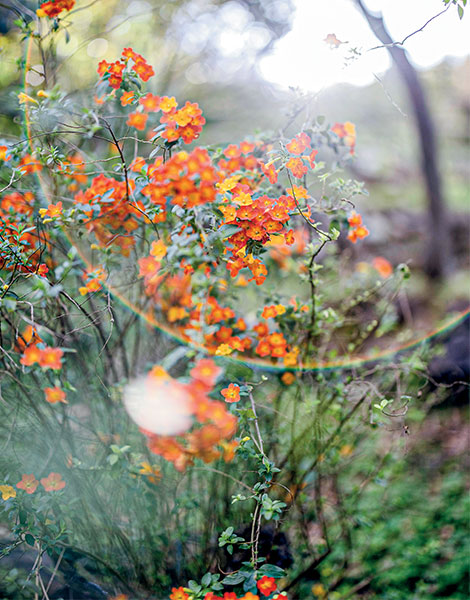
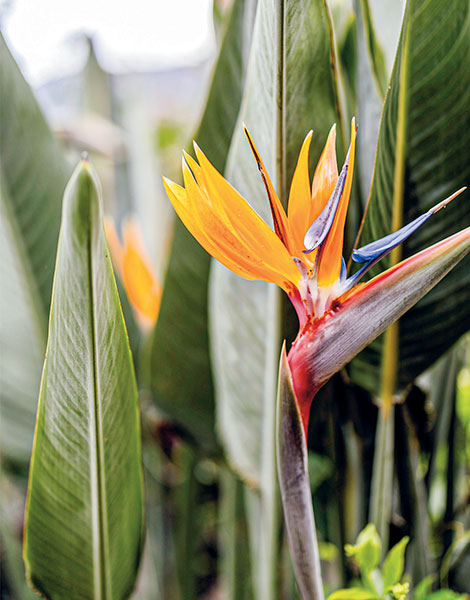
At the Botanical Garden, you’ll see exotic flowers and an endless palette of colors.
© Angelos Giotopoulos
At the entrance stands a charred olive tree, its twisted form resembling a sculpture. It serves as a solemn reminder of the fire that devastated these hills – and proof that new life can emerge even from scorched earth.
The main walking route through the park is 2.5 kilometers long, gently rising and falling with the landscape. Along the way, discreet signs identify each plant by name, origin, and medicinal or culinary use. The first section descends through the tropical zone, home to fruit trees and spice plants from across the globe. Next comes the Mediterranean area, where visitors encounter native Cretan species like marjoram, diktamo, and malotira, the famed mountain tea.
© Angelos Giotopoulos

© Angelos Giotopoulos
Here, all five senses come alive: the scent of oregano and thyme, the purple glow of lavender, the wild greens and bitter stamnagathi growing among the herbs. The trail meanders past cherry trees, over small bridges and streams, the quiet broken only by birdsong.
Since the park’s creation, dozens of bird species have made it their home: turtle doves, nightingales, buzzards, kestrels and many more. “The microclimate here — and across Crete — is uniquely suited to biodiversity,” explains Petros Marinakis. “We’re able to grow plants from three climate zones: Mediterranean, tropical, and even alpine, because we’re just beneath the White Mountains. You will see fruiting mango right next to a fir tree. A few meters from a chestnut, there’s an Australian macadamia tree.”
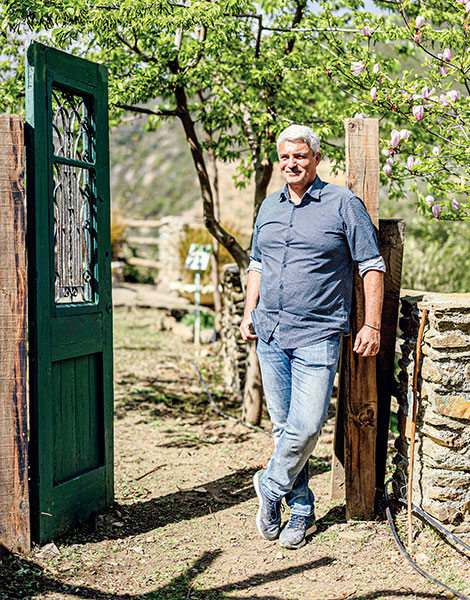
Petros Marinakis came up with the idea to create a private park with plants from all over the world on the land that had been burned.
© Angelos Giotopoulos
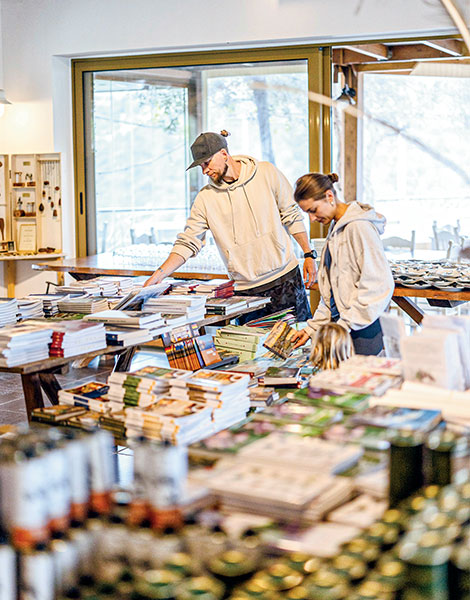
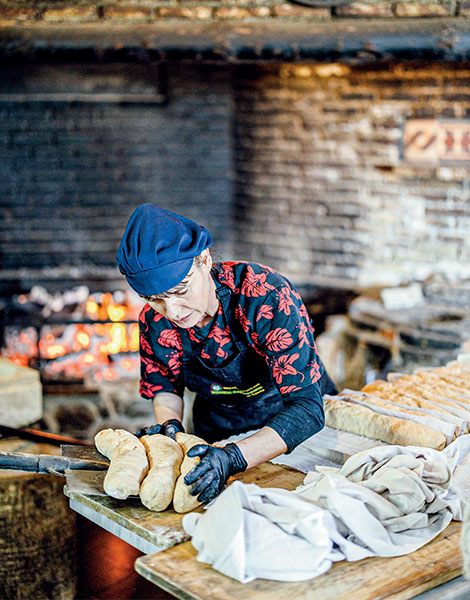
At the gift shop, you’ll find products from the Cretan land. In the restaurant, they bake their own bread and use ingredients sourced from the surrounding area.
© Angelos Giotopoulos
Near a small artificial pond, ducks, geese, peacocks, donkeys, and deer roam freely. Butterflies in every imaginable color flutter from flower to flower. Toward the end of the trail, visitors pass groves of citrus trees from around the world. Everything grown here is cultivated naturally, without chemicals. Much of the produce ends up in the on-site restaurant, alongside goods sourced from small-scale producers across Crete and mainland Greece. Even the bread is kneaded and baked on-site, in a wood-fired oven.
Flora from five continents flourishes within these 200 acres, nestled among sparsely populated villages and only a short drive from Hania. At a time when natural disasters are increasing and the environment faces relentless pressure, this place is more than a sanctuary; it’s a vivid reminder of nature’s power, beauty, and resilience.
In Margarites, Crete’s historic pottery village,...
Experience Pilio’s scenic hikes, aromatic herbs,...
The roads may twist and climb...

From Samos to Crete, we've selected...