The Armata Festival and the Allure of Spetses...
Experience Spetses in its most enchanting...

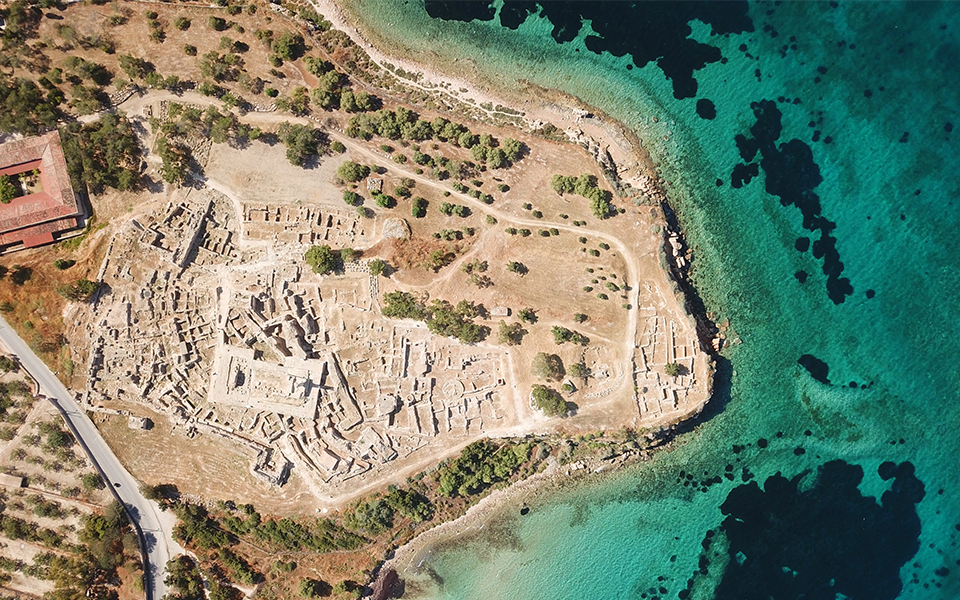
The Temple of Apollo crowns Kolona Hill on Aegina, with the site museum tucked away in the top left.
© Shutterstock
Greece is a country where ancient ruins and bustling seafront cafés often share the same view. Beyond the famous archaeological sites and big-city museums lie smaller, quieter gems – local institutions with big stories to tell. Whether tucked inside restored mansions or hidden near sleepy fishing harbors, these museums open a window onto regional customs, maritime heritage, and industrial legacies.
What unites them? Each sits just a short stroll from the sea – ideal for travelers who like to balance swims with a splash of culture. Here, we’ve paired eight under-the-radar museums with nearby beaches from across Greece, from the northern port city of Kavala to the volcanic shores of Milos. You’ll find history, heritage, and postcard-worthy coastline all within arm’s reach.
So, next time you’re drying off after a dip, consider stepping inside for a different kind of immersion – one into the living memory of Greece.
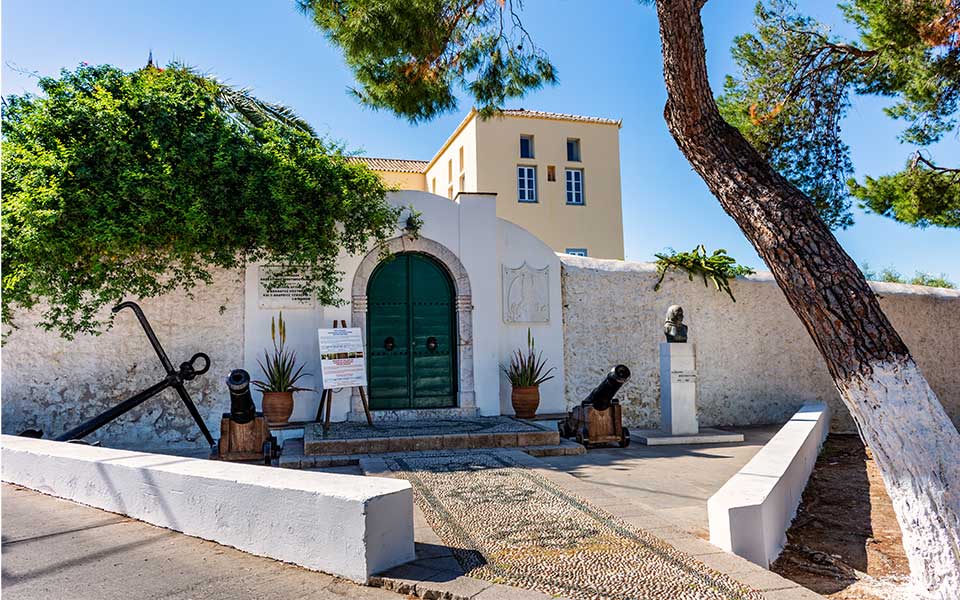
The house of Laskarina Bouboulina, fearless heroine of the Greek War of Independence, now a museum on Spetses.
© Shutterstock
Housed in the former mansion of Laskarina Bouboulina – legendary heroine of the Greek War of Independence – this privately run museum is among the most atmospheric in the Saronic Gulf. A wealthy shipowner-turned-naval commander, Bouboulina played a decisive role in the 1821 uprising against Ottoman rule. Her home preserves the story with creaking wooden floors, ornate ceilings, period furniture, and displays of personal items, documents, and weapons – including her flintlock pistol.
Just steps from Dapia harbor, where yachts bob beside waterside cafés, the museum also features a beautiful model of Bouboulina’s flagship “Agamemnon,” traditional costumes, and Byzantine icons. Film buffs may recognize the courtyard from scenes in the 1959 classic “Bouboulina,” starring the late, great Irene Pappas in the eponymous role.
Suggested Beach Nearby: Aghios Mamas Beach – a small, pebbled beach right in town, perfect for a post-museum swim. For something quieter, head 10 minutes northwest to Kaiki Beach, a shaded cove popular with locals.
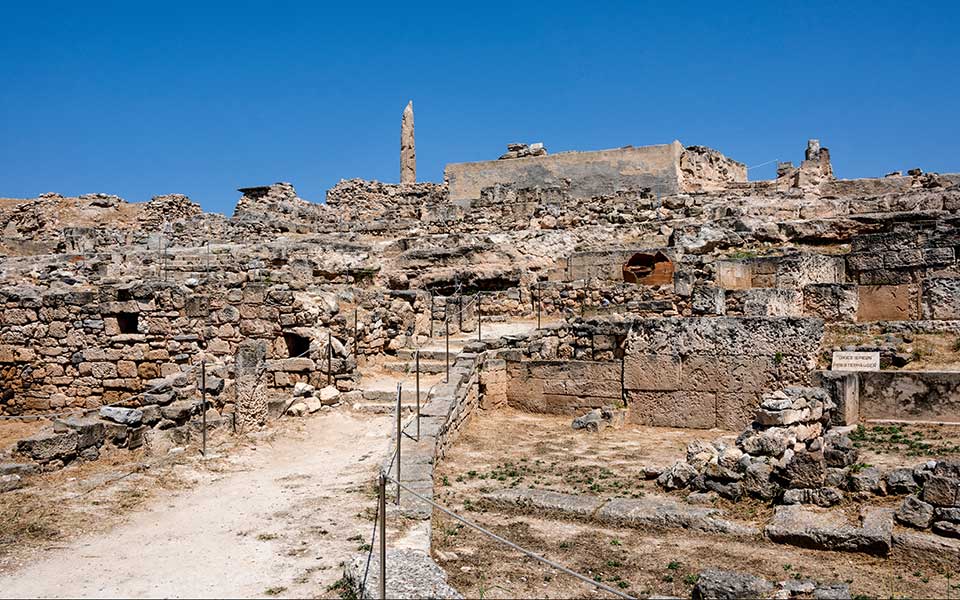
The Temple of Apollo
© Shutterstock
Staying in the Argosaronic Gulf, hop across to Aegina, where ancient history sits right beside the ferry port. Founded in 1828 by Greece’s first governor, Ioannis Kapodistrias, the Archaeological Museum is one of the country’s oldest. Its three rooms hold an impressive array of finds from across the island: pottery, alabaster vessels, coins, weapons, inscriptions, and delicate figurines.
One standout is an etched carnelian bead, a typical Harappan artifact pointing to Bronze Age trade links between Aegina, Mesopotamia, and the Indus Valley. Just outside, the remains of the Temple of Apollo rise over the sea at Kolona, where layers of settlement stretch back to prehistoric times.
Suggested Beach Nearby: Kolona Beach – a relaxed, tamarisk-shaded strip of sand right beside the harbor, perfect for a swim after your museum visit. The seafront cafés and ouzeries of Aegina Town are just steps away.
16 Spyrou Rodi Street, Aegina Town
Tel. (+30) 22970.222.48
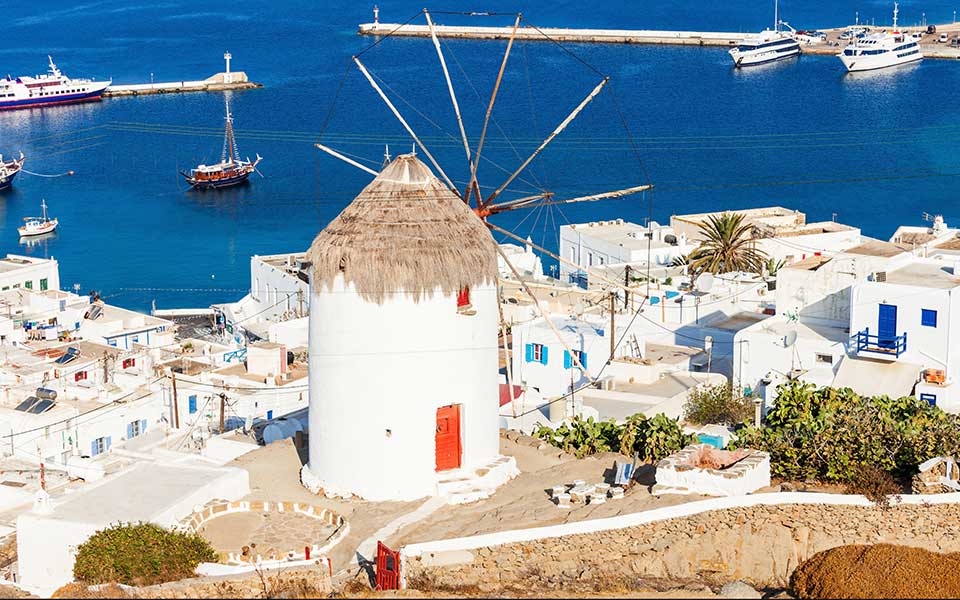
The open-air Agricultural Museum at Boni’s Windmill
© Shutterstock
Even on Cycladic Mykonos, where beach clubs thump and boutiques gleam, there are pockets of quiet tradition. The island’s Folklore Collection is one such refuge, offering a glimpse into Mykonos’ humbler, pre-tourism past. Its heart is Kastro House, an 18th-century sea captain’s home tucked behind the whitewashed Paraportiani Church near the old harbor. Inside, rooms are furnished as they would have been centuries ago, with embroidered linens, antique furniture, and maritime relics telling stories of island life and seafaring trade.
The collection also extends to Lena’s House, a preserved 19th-century townhouse in the Tria Pigadia district, and the open-air Agricultural Museum at Boni’s Windmill, complete with grape-stomping tank and pigeon house. Together, they form a charming cultural circuit in the heart of town – a welcome counterpoint to the island’s party reputation. Maritime enthusiasts can also detour to the nearby Aegean Maritime Museum for ship models, nautical instruments, and a leafy garden of lighthouse lanterns.
Suggested Beach Nearby: Megali Ammos – a breezy, sandy beach just 10–15 minutes on foot from the old harbor, far quieter than the famous party shores farther afield.
Kastro, Mykonos Town (near Paraportiani Church)
Tel. (+30) 22890.225.91
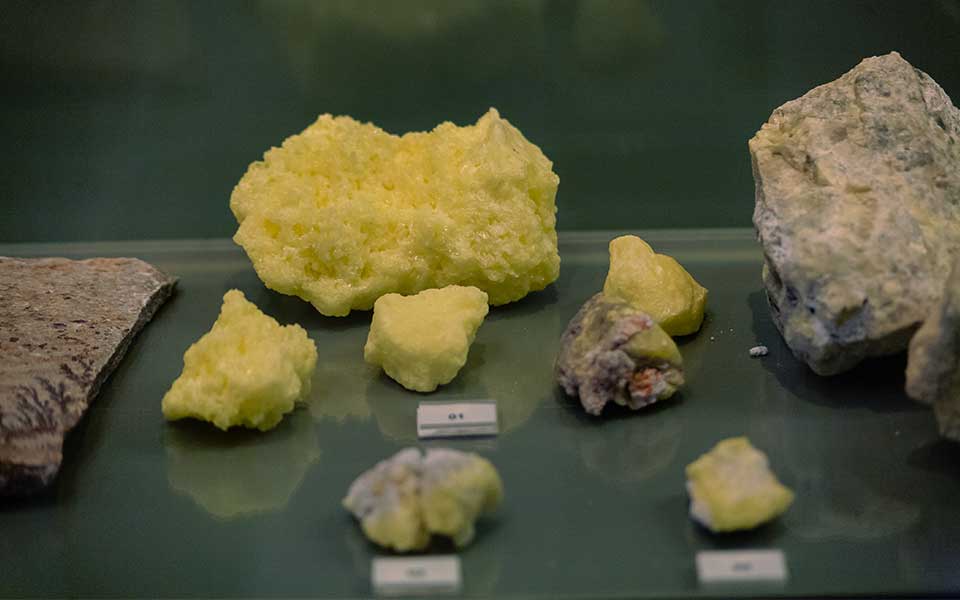
Mining heritage on display at the Milos Mining Museum, from tools to glittering minerals.
© Shutterstock
Staying in the Cyclades, Milos is famed for its otherworldly rock formations and volcanic beaches – but its beauty is only half the story. The island’s wealth has long come from beneath the surface, a tale told at the Milos Mining Museum in Adamas, the main port. Opened in 1998 by S&B Industrial Minerals, the sleek, modern building showcases tools, lamps, and work clothes from the island’s quarries, alongside maps, photographs, and a dazzling collection of local minerals and ores.
In the basement, a short documentary shares moving testimonies from miners – both men and women – who worked in the industry that shaped Milos’ economy and landscape. Visitors can also pick up “Miloterranean Geo Experience” trail maps to explore the island’s volcanic heritage in the wild.
Suggested Beach Nearby: Papikinou Beach – a long, sandy sweep just east of Adamas, ideal for a post-museum swim with views back to the harbor.
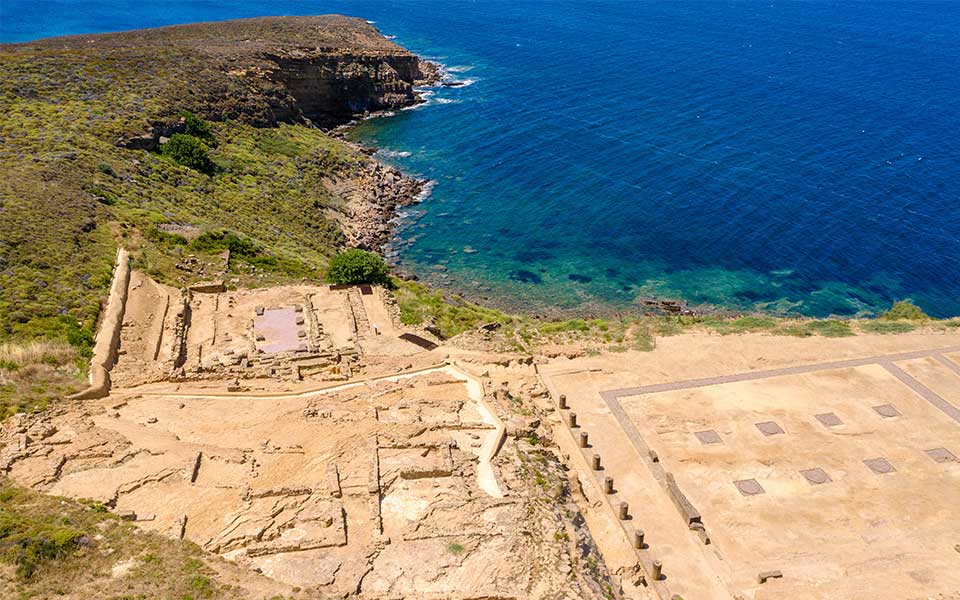
The Archaelogical site of Hephaistia.
© Shutterstock
Heading north in the Aegean, Limnos welcomes travelers not just with beaches but a freshly unveiled cultural jewel. The Archaeological Museum, housed in a two-storey Neoclassical building in Romeikos Gialos, Myrina, has just reopened this August after a €3 million restoration following earthquake damage.
Inside, a thoughtfully redesigned exhibit takes visitors on a journey through the island’s past – from the late Neolithic and the Bronze Age to the Classical period and Byzantine era – and features finds from Poliochni, Hephaistia, the Temple of Kabeirion, and other important sites across Limnos.
Suggested Beach Nearby: Head to the gentle shores of Myrina Beach, just a short walk from the museum. Its calm waters and quiet charm make it a perfect place to reflect on history after your visit.
Navarchou Kountouriotou Street, Romeikos Gialos, Myrina
Tel. (+30) 22540.229.90
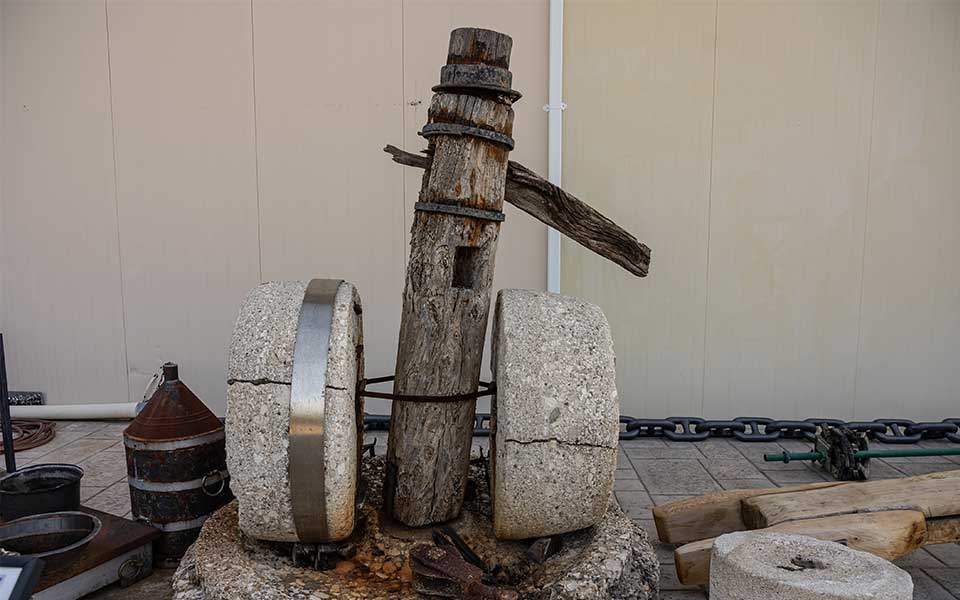
Traditional presses and tools tell the story of olive oil at the Olive Press Museum, Zakynthos.
© Shutterstock
Heading west to the Ionian Islands, Zakynthos’ southern coast offers more than just soft sands and turquoise seas. Just inland from the lively resort of Laganas, the family-run Aristeon Olive Press has been producing liquid gold for over 170 years. In the village of Lithakia, this part-working mill, part-museum traces a timeline that begins in 1850 with a wooden, animal-powered press, moves through the age of metal and hydraulic machinery, and culminates in today’s eco-friendly, high-tech centrifuge – not to mention a venerable 1,500-year-old olive tree.
Guided tours walk visitors through each stage of production, with plenty of stops for tastings of the estate’s award-winning extra virgin oils – some infused with lemon, garlic, or bitter orange. The island’s ancient dopia olive trees, some over 2,000 years old, stand as living witnesses to this enduring tradition. Entry to this fun, quirky museum is free, and the small on-site shop tempts with bottles to take home, alongside fragrant olive-oil soaps.
For those with a special interest in the military history of the mid-to-late 20th century, a small privately run History War Museum is also nearby – tucked within the courtyard of the Galaxy Beach Resort Hotel – complete with photographs, uniforms, weapons, and dioramas covering World War II, the Korean War, and the Vietnam War. Not quite in keeping with the relaxed summer groove, but specialists may find it a rewarding detour.
Suggested Beach Nearby: Laganas Beach – a broad, sandy arc backed by cafés and a 5-star resort, perfect for a dip (or a doze) after your tasting session.
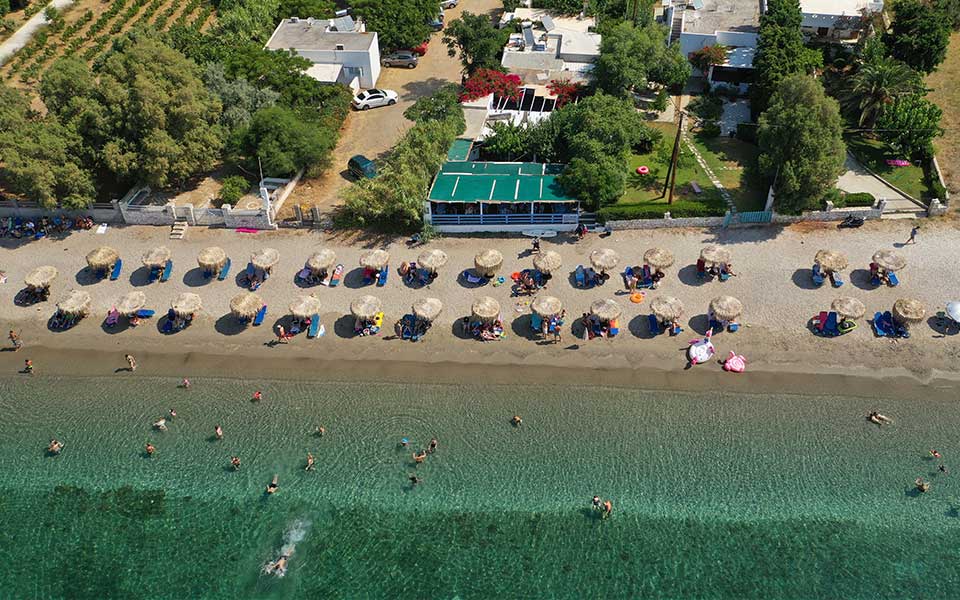
Kalamitsa Beach, Kavala.
© Shutterstock
Heading to the mainland, Kavala rises like an amphitheater around its serene harbor – a coastal city blending Ottoman and Byzantine charm with a thriving Old Town and a breezy seaside vibe that’s earned it the nickname “Blue City.” Just a short drive from the UNESCO-listed site of Philippi, the Archaeological Museum of Kavala is a proudly regional institution with national significance.
Its galleries trace the region’s story, from Neolithic artifacts unearthed at Dikili Tash to the “Neapolis – Christoupolis – Kavala” exhibition charting the city’s ancient and classical transformations. Highlights include two full-height Ionic columns from the early-5th-century temple of the goddess Parthenos, alongside sculptures, coins, and a rich collection of vases and figurines once dedicated to her sanctuary
Suggested Beach Nearby: Kalamitsa Beach – a calm, Blue Flag–awarded sweep of sand just a short stroll away.
17 Erythrou Stavrou, 65403 Kavala
Tel. (+30) 25102.223.35
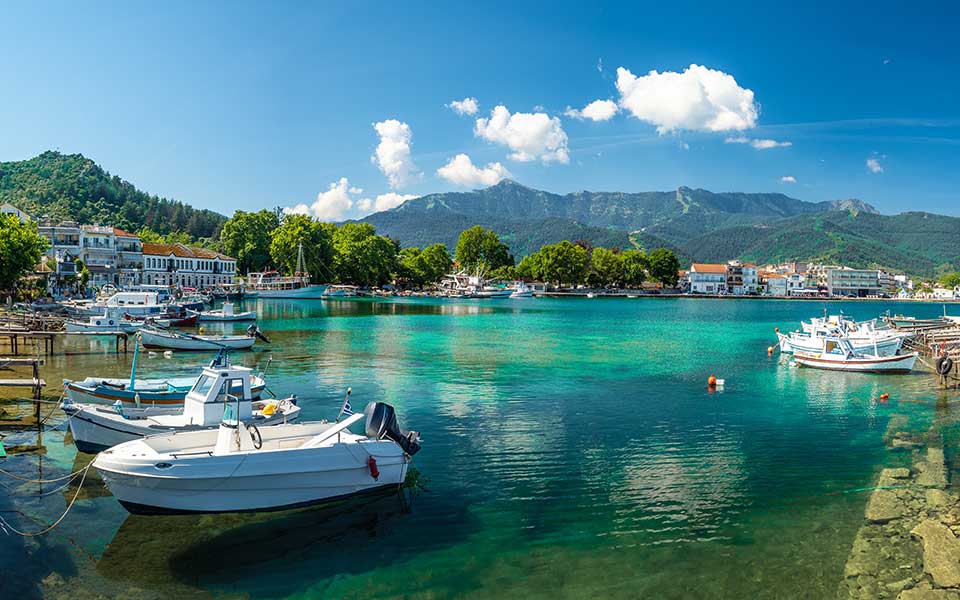
Limenas Beach, Thasos
© Shutterstock
A short ferry hop from Kavala lands you on Thasos, the “Emerald Island” of the North Aegean, where pine-clad hills tumble into sandy coves and the picturesque town of Limenas curls around its ancient harbor. Here, the Archaeological Museum of Thasos – housed in a 1934 building and recently expanded – offers a captivating journey through the island’s past, from the Neolithic era to the Roman age.
One of its showstoppers is a towering 3.5-meter Archaic “kouros” carrying a goat (c. 600 BC), discovered at Pythion in Thessaly. Equally eye-catching is a 7th-century BC Cycladic plate portraying the hero Bellerophon astride winged Pegasus, spearing the three-headed Chimaera. Other highlights include a bust of Pegasus, the head of a larger-than-life statue of Dionysos from the 4th century BC, elegant Hellenistic sculptures from the Temple of Dionysos, and statues of Aphrodite, Alexander the Great, and Emperor Hadrian.
Suggested Beach Nearby: Limenas Beach – a sandy, sheltered spot just a short stroll from the museum, perfect for a refreshing dip after your time-travel through Thasos’ past.
Experience Spetses in its most enchanting...
Discover Greece’s islands in September with...
Beneath the busy streets of modern...
Archaeology reveals powerful Iron Age women...