Meet the Souvlaki Wrapper Who’s Served Athens for...
Discover how Christos, Athens’ master souvlaki...

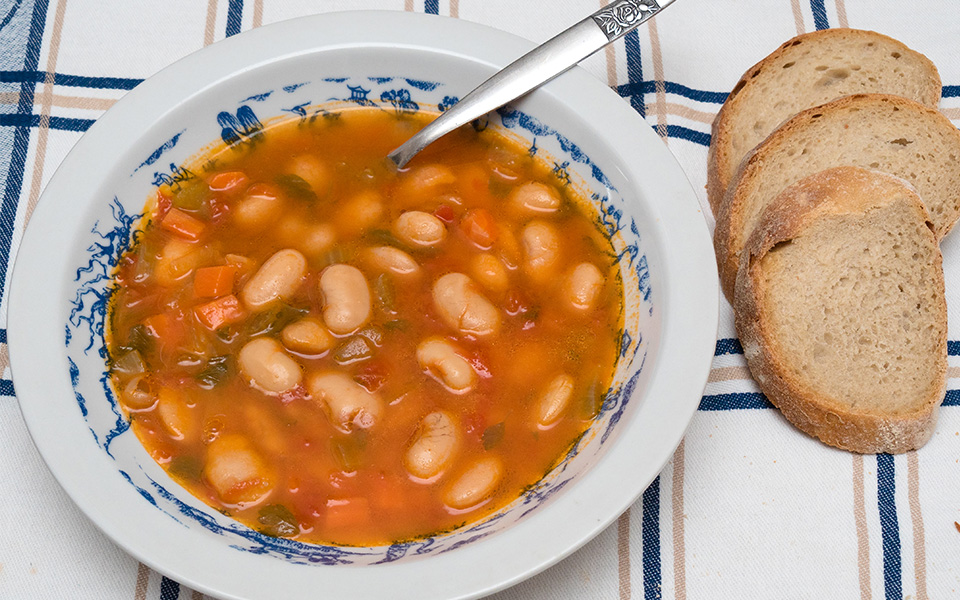
Fasolada, Greece’s national dish.
© Shutterstock
Greece in mid-winter, following the hustle and bustle of the festive season, undergoes a subtle shift. Tavernas grow quieter and cozier, sometimes warmed by a crackling fireplace; the sea darkens to a deeper, steelier shade of blue; and in kitchens across the country, the food takes on a new character – richer, heartier, and more comforting than the lighter dishes most visitors associate with Greek cuisine.
This is the season of steaming pots and slow cooking, of meals designed not for long lunches by the water but for warming hands and spirits. Many of these dishes rarely appear on summer menus or tourist-oriented restaurant lists. They are, quite simply, Greek winter food – and some of the country’s best-kept culinary secrets.
Here are six winter dishes worth seeking out.
From the outside, Greek cuisine can sometimes appear deceptively “meat-heavy.” In reality, it is one of the most vegetarian-friendly food cultures in the Mediterranean, built around legumes, seasonal vegetables, and generous amounts of olive oil. Few dishes embody this better than “fasolada,” Greece’s beloved white bean soup.
Often described as the country’s national dish, fasolada comes into its own in winter. Thick, warming, and deceptively simple, it combines white beans with tomatoes, carrots, onions, celery, and olive oil. When made well, it’s deeply comforting without feeling heavy – the kind of dish that encourages you to slow down, tear off another piece of bread, and linger a little longer at the table.
Where to try it: Seek out old-school “mageiria” (home-style eateries), neighborhood tavernas, or lunch spots filled with locals. If the menu features several bean-based dishes, you’re almost certainly in the right place.
Eat like a local: Before digging in, locals will often drizzle extra olive oil over the bowl and add a pinch of sea salt to heighten the flavors.
Click here for our own spin on this seasonal classic.
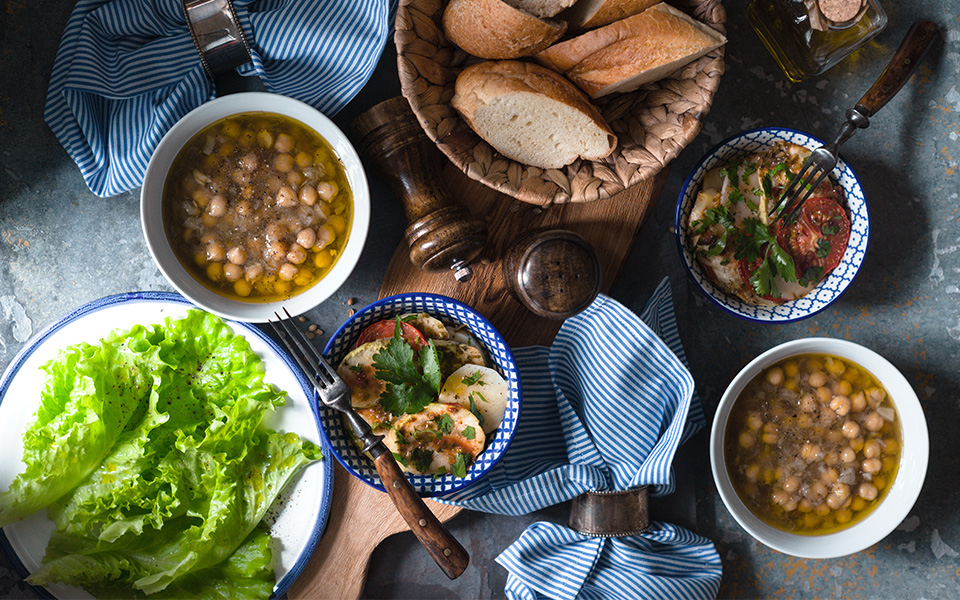
Revithada
© Shutterstock
The signature dish of the Cycladic island of Sifnos, “revithada” is winter cooking at its most rustic. Made with little more than chickpeas, olive oil, onions, and bay leaves, it is traditionally baked overnight in large clay pots inside a wood-fired oven until the chickpeas become meltingly soft and deeply aromatic.
Revithada has long been associated with Sunday, both in rhythm and ritual. The pot goes into the oven on Saturday night, ready to be eaten after church on Sunday morning. Families return to it again in the evening for supper, reheated and even richer in flavor. While Sifnos is its spiritual home, versions of revithada can be found on other Cycladic islands, especially during the cooler months.
Where to try it: You don’t have to venture to the Cyclades for this one. Look for tavernas that stay open year-round, particularly those focused on island cooking rather than all-purpose Greek menus.
Eat like a local: Finish with a drizzle of olive oil and a squeeze of lemon and serve with thick slices of village bread (“horiatiki”). You can mix any leftovers with rice – simple, frugal, delicious.
Check out our recipe here.
Giouvarlakia
© Shutterstock
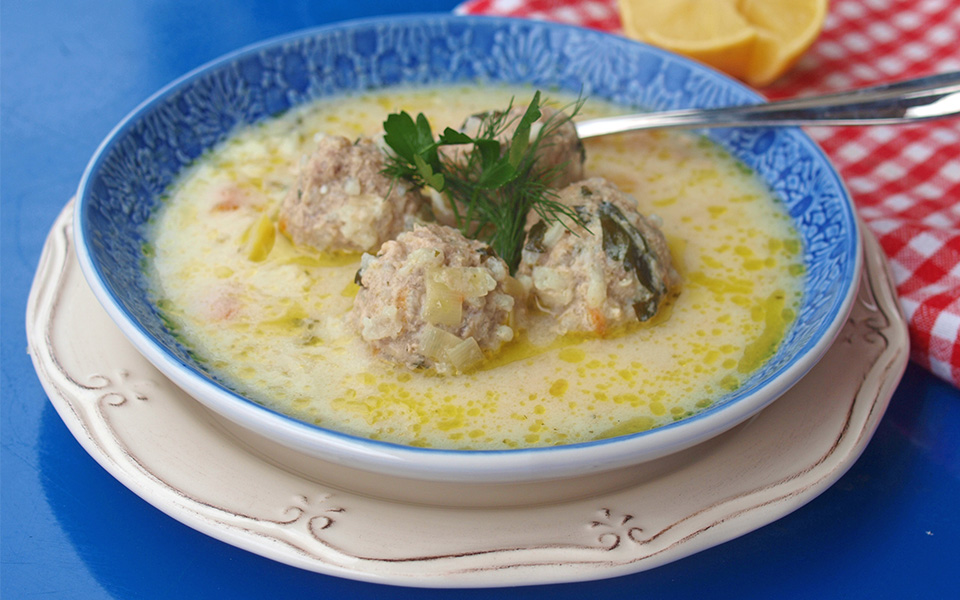
Rustic, rich, and unapologetically warming, “giouvarlakia” marks a clear shift into Greece’s meatier winter cooking. Tender meatballs simmered in a light broth and finished with the country’s beloved egg-and-lemon sauce, “avgolemono,” it’s one of those dishes closely associated with home cooking – the kind many Greeks remember their grandmothers making on cold, blustery days.
The meatballs are made with minced meat (usually beef or a beef–pork mix), rice, herbs, and onion, cooked gently so they remain soft but intact. The broth, often enriched with grated carrots and potatoes, is transformed at the end with avgolemono, which gives the soup its velvety texture and bright, citrusy lift.
Where to try it: Traditional tavernas and mageiria, especially in winter, when it’s often prepared as a daily special.
Eat like a local: A sprinkle of fresh dill adds freshness and balance to the lemony broth.
Click here for our recipe for this delicious wintry soup.
Trahanas
© George Drakopoulos
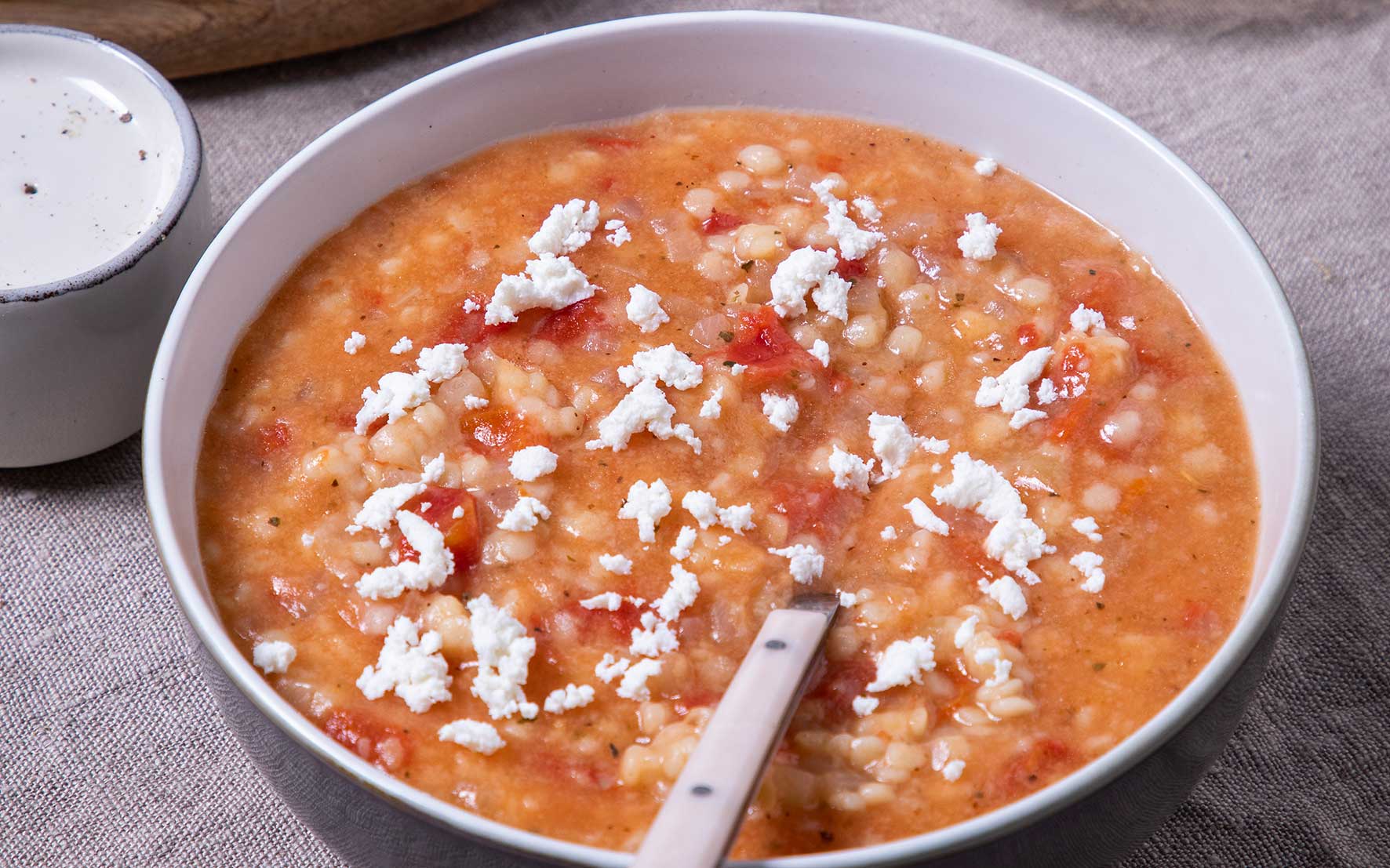
Few dishes say “Greek winter” quite like “trahanas.” Made from cracked wheat and fermented dairy, it’s cooked into a thick, comforting soup – some say porridge – with a gently tangy edge, sometimes enriched with herbs, crumbled feta, and/or sautéed mushrooms. It’s warming, nostalgic, and almost entirely absent from summertime menus.
Rather than a single dish, trahanas is an ingredient with ancient roots (known in antiquity as “tractae”). Created as a way to preserve milk for winter consumption, it is made by combining grains – either semolina, bulgur, or wheat – with milk, buttermilk, or yogurt, then drying and crumbling the mixture into tiny “pebbles” that can be stored for up to a year.
Where to try it: Village tavernas, particularly in mainland Greece, or restaurants that pride themselves on traditional cooking.
Eat like a local: Add chopped tomatoes and crumbled feta (the classic combination), or enrich it with sausage, prosciutto, or mushrooms – tangy, salty, and deeply nourishing.
If you’d like to try making it at home, click here for our easy-to-follow recipe.
Psarosoupa
© Shutterstock
No list of Greek winter dishes would be complete without something from the sea. With its vast coastline, seafood is a cornerstone of Greek cooking, and winter waters produce some of the country’s finest fish. “Psarosoupa,” or fisherman’s soup, makes the most of them.
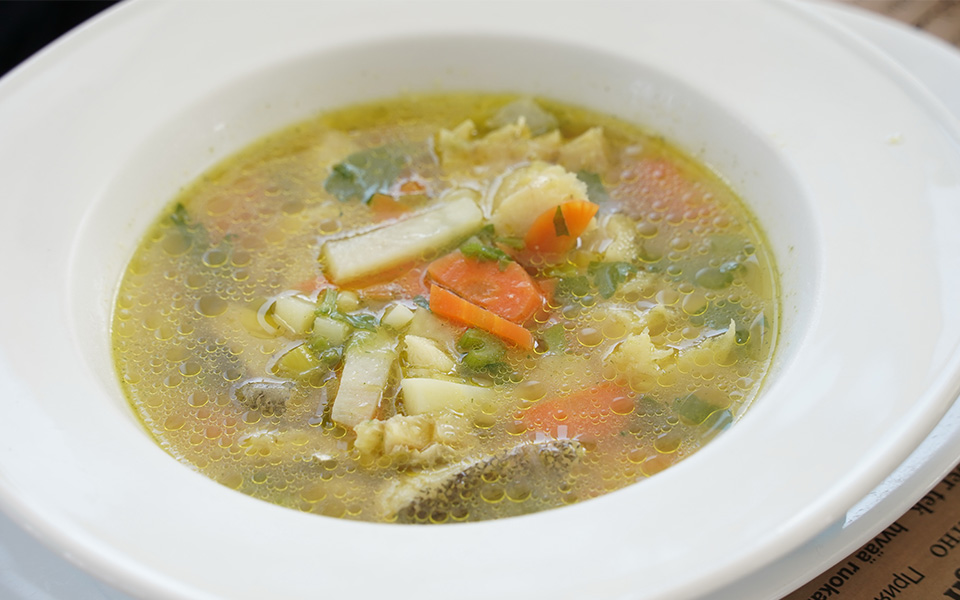
At its simplest, it’s a clear, lemon-scented broth made with chunky white fish, potatoes, carrots, and olive oil – light, nourishing, and quietly restorative, especially after a cold walk along the harbor. Often finished with avgolemono, it gains a silky texture and gentle richness without becoming heavy.
Packed with omega-3s and protein, psarosoupa supports the immune system while still feeling fresh and elegant.
Where to try it: Small seaside taverns that stay open year-round, especially those serving a local lunch crowd.
Eat like a local: Always use fresh fish if possible. Cod, seabass, and monkfish are especially good, so too rockfish, grouper, and striped mullet – packed with flavor.
Check out our recipe here.
Lahanodolmades
© Shutterstock
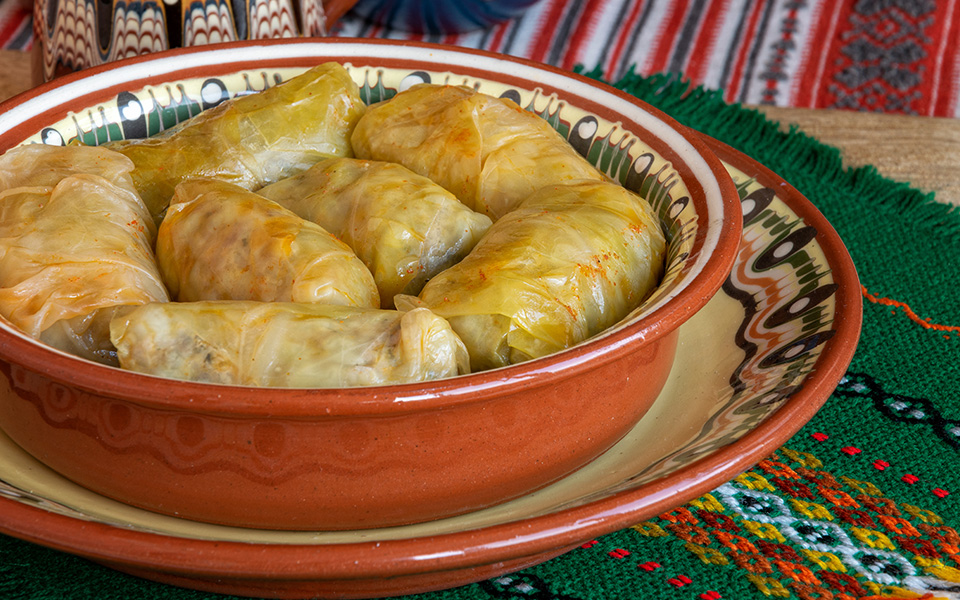
Staying with the theme of avgolemono, the final dish on our winter list is another Greek classic: “lahanodolmades.” Tender cabbage leaves are wrapped around a filling of minced meat, rice, and herbs, gently simmered, and finished with a generous spoonful of egg-and-lemon sauce that brings warmth and brightness in equal measure.
The filling is similar to that used for giouvarlakia, but here it is carefully rolled rather than shaped – a process that requires time, patience, and a practiced hand. As a result, lahanodolmades are closely associated with long Sunday lunches and family gatherings during the colder months. Comforting without being heavy, they can be served warm or at room temperature.
Where to try it: Traditional mageiria and neighborhood tavernas in winter, where they often appear as daily specials rather than a permanent menu item.
Eat like a local: Serve with bread to soak up the avgolemono and, occasionally, a dollop of yogurt on the side to soften the citrusy bite.
Discover how Christos, Athens’ master souvlaki...

On Mykonos, this simple yet vibrant...
Explore the tavernas of Nikaia, Moschato,...
Exploring the eateries, stories, and shifting...