Springtime in Arcadia: What to See, Do and...
Just a short distance from Athens,...

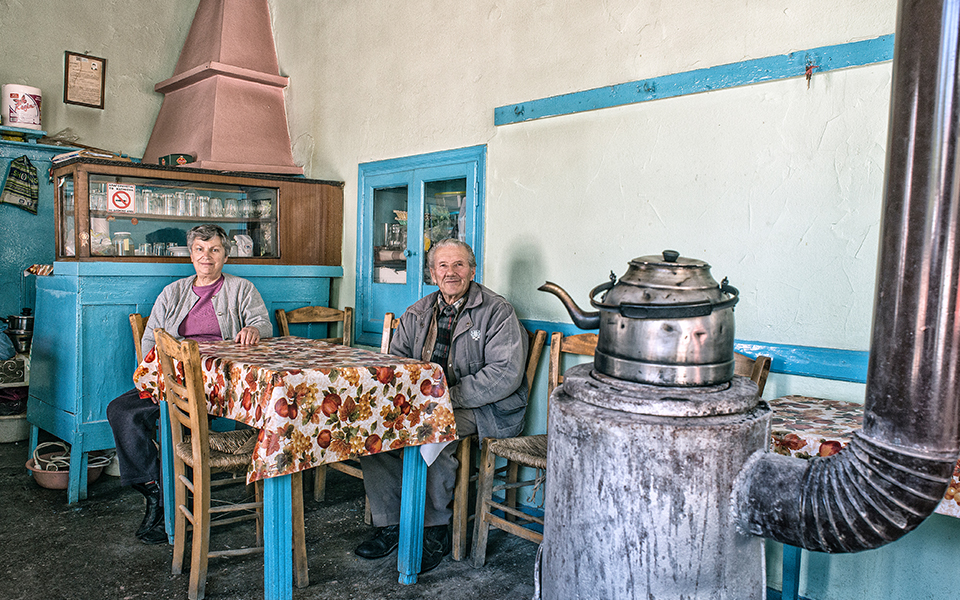
Fokida, 2015
© Wolfgang Bernauer
Photography runs deep in Wolfgang Bernauer’s family. The Swiss ophthalmologist grew up surrounded by lenses, glass plates, and old cameras – remnants of a legacy that included his grandfather, the inventor of the polarizing filter, and his chemist father – sparked Bernauer’s fascination with the medium. As a teenager, he began his own photographic experiments, which he would later enrich through decades of travel.
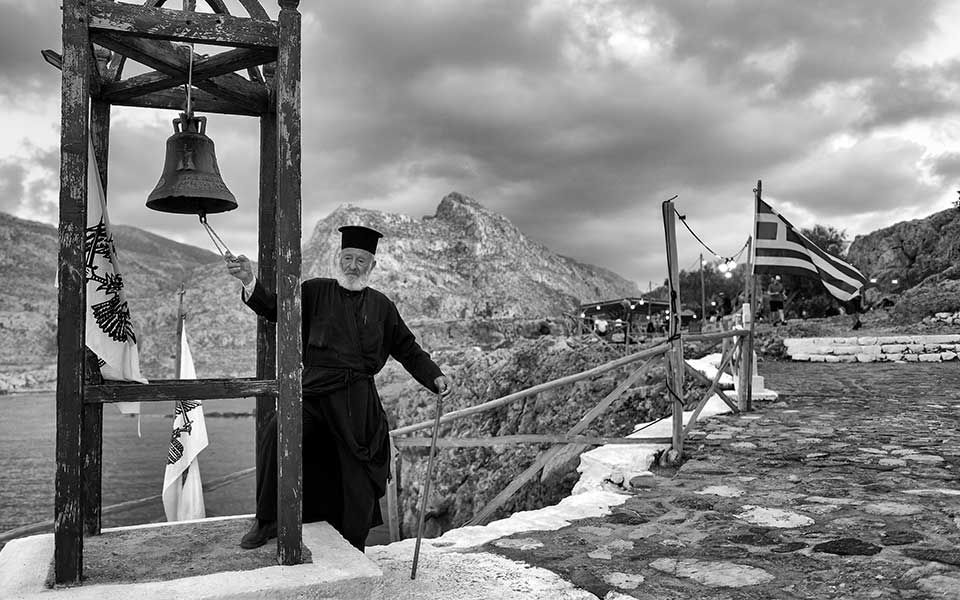
Karpathos, 2022
© Wolfgang Bernauer
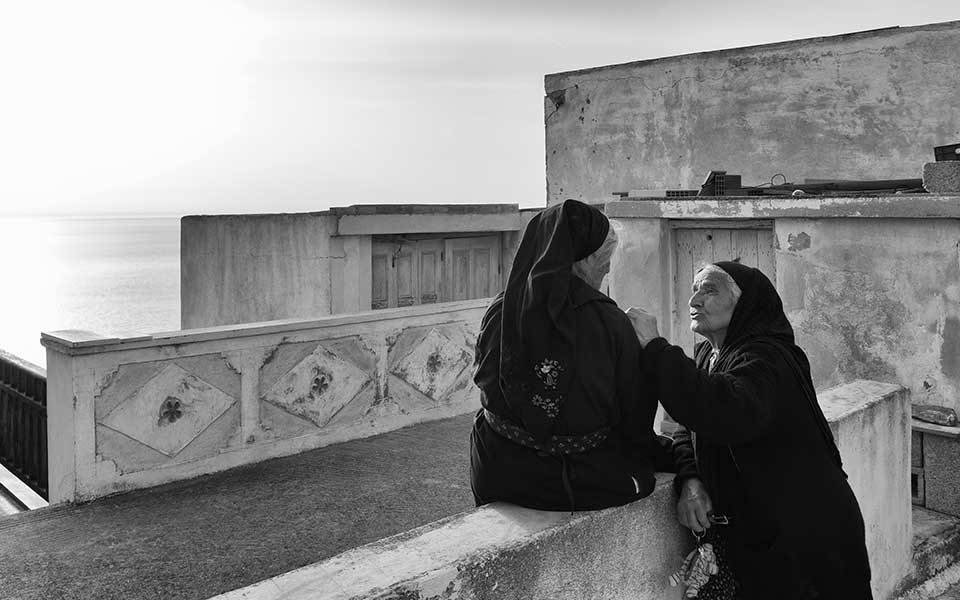
Karpathos, 2022
© Wolfgang Bernauer
In 1996 he visited Greece for the first time, spending Holy Week and Easter on the island of Karpathos, in the village of Olympos. The experience proved transformative. “The people were so warm and welcoming; the combination of devotion and celebration, the meaning of the Resurrection and the authentic atmosphere of the village – all of this was completely new to me and touched me deeply,” he recalls over the phone from Zurich, where he lives.
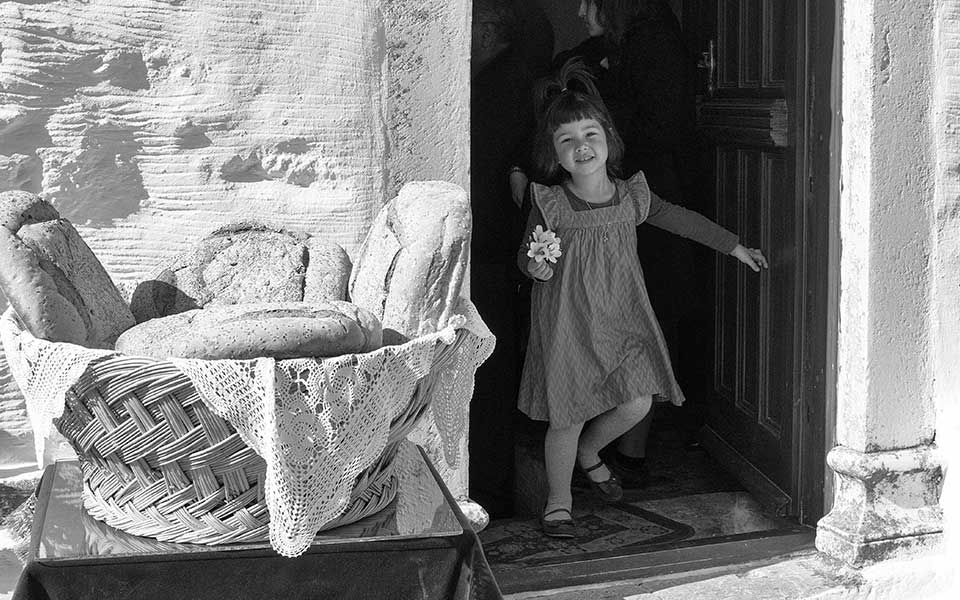
Amorgos, 2019
© Wolfgang Bernauer
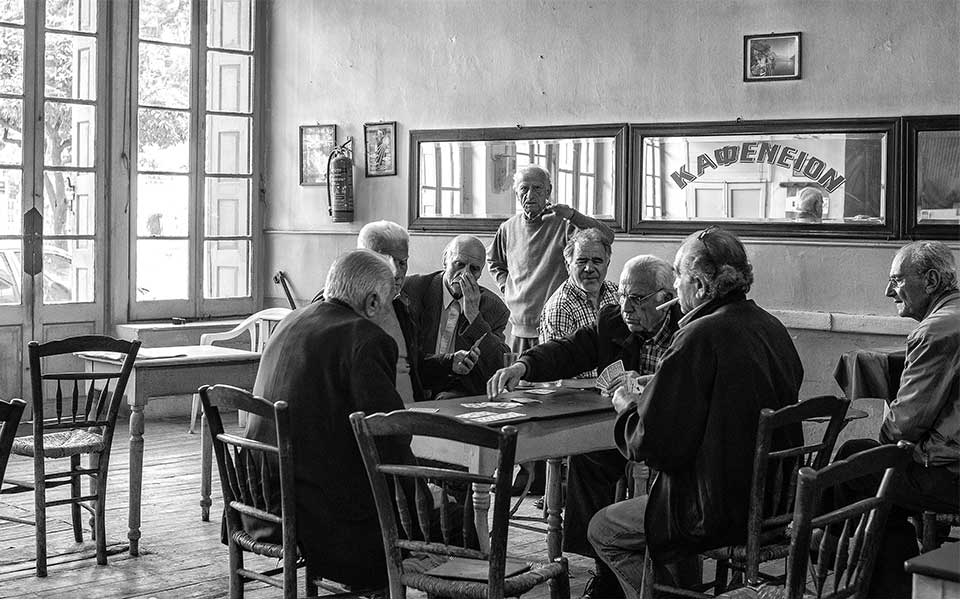
Fokida, 20215
© Wolfgang Bernauer
That journey marked the beginning of a major photographic project. Bernauer began traveling across the Greek islands and mainland – to the Dodecanese, the Cyclades, Arcadia, Phocis, Epirus – turning his lens on small villages and their inhabitants. He sought out places where traditional ways of life could still be glimpsed: tiny chapels and archaeological sites, artisanal workshops and village cafés, general stores and sunlit courtyards; objects, structures, and rituals that are slowly disappearing.
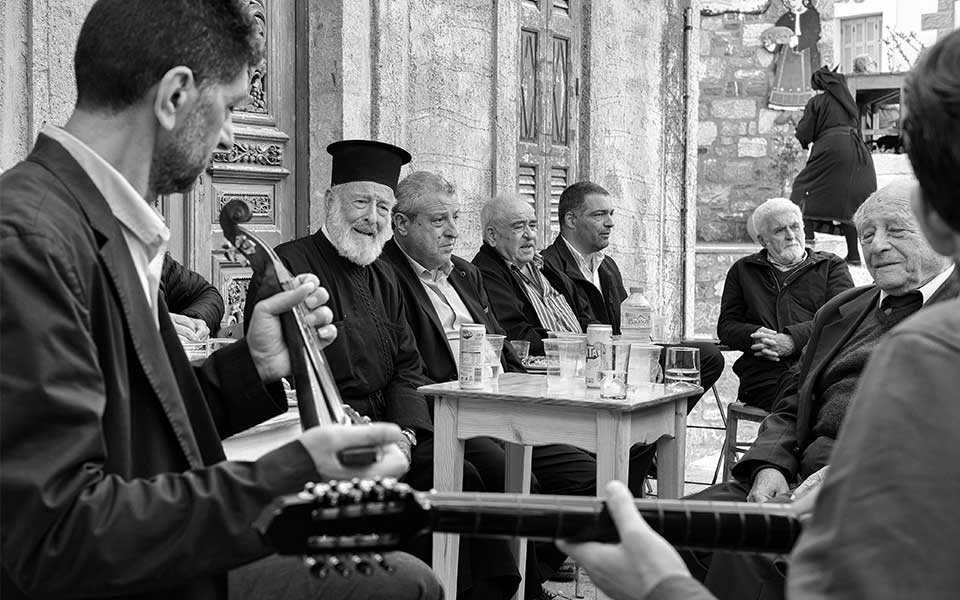
Karpathos, 2024
© Wolfgang Bernauer
Even after marrying Julia and raising their four children – Selina, Raphael, Letizia, and Sophie – he continued to spend long periods of time in Greece. The book is dedicated to his wife, he notes, “because she not only tolerated my absence but actively supported this ambitious work.”
By 2024, Wolfgang Bernauer had amassed the thousands of images that would become the raw material for My Greek Village, first published in Switzerland in 2019 by Bildperlen and more recently released in Greece as a bilingual edition (Greek and English) by Patakis Publishers. However, his aim wasn’t simply to present a visual travelogue, but to distill the cultural essence of Greece: stories of belonging, hospitality, identity, and intergenerational connection.
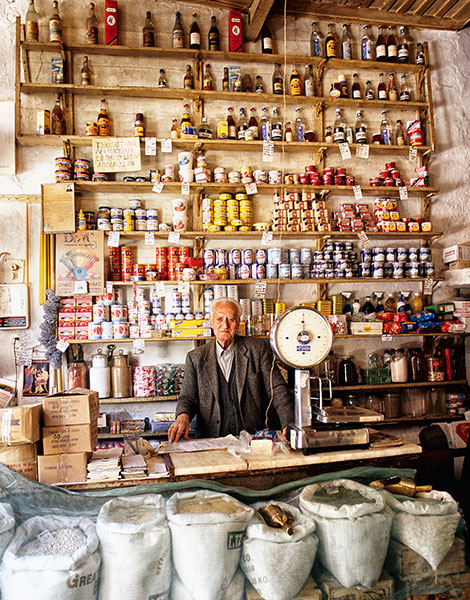
Peloponnese, 2000
© Wolfgang Bernauer
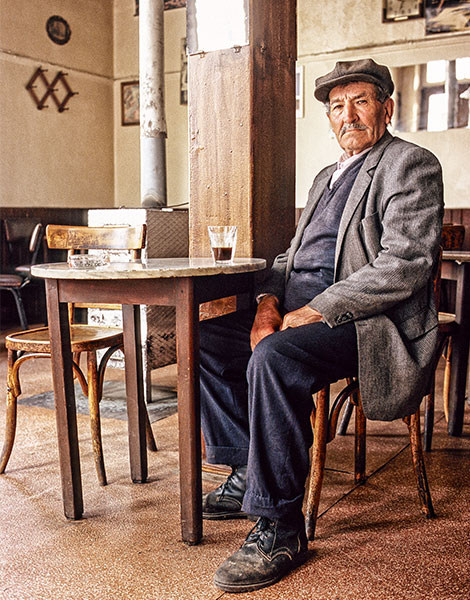
Arcadia, 2000
© Wolfgang Bernauer
“For thousands of years, the village was the most common form of settlement in Greece. This only changed in the 20th century, with the growth of large cities. My book highlights the positive aspects of village life: local production, community ties, solidarity, and a sense of belonging. It is a record for future generations, while at the same time raising essential questions: Which elements of village life are truly important? Which ones do we want, and need, to preserve and carry with us into the future? In other words, the Greek village is an ideal – one we have a duty to protect and defend.”
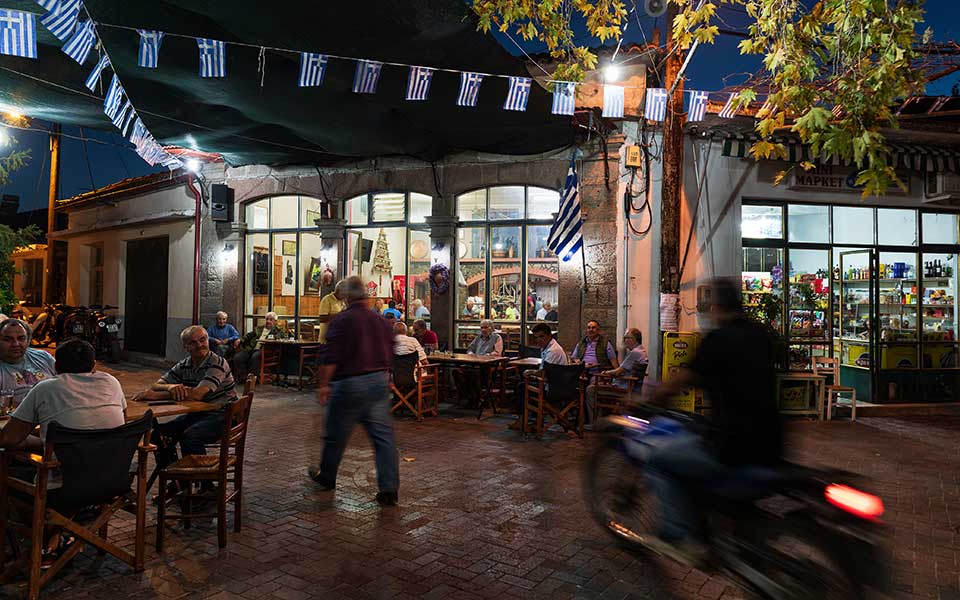
Lesvos, 2023
© Wolfgang Bernauer
If he could invite readers to experience just one thing from the villages he photographed – a scent, a meal, a conversation, a ritual – what would it be?
“A ritual!” he answers without hesitation. “The celebration of Greek Easter in ‘my’ Greek village. The unforgettable fragrance of the basil leaves and wild herbs covering the church floor. The incomparable flavor of the Easter lamb, roasted over olive branches in a wood-fired oven. The deeply moving conversation with Tasos, the young schoolteacher taking his first professional steps in this remote place.”
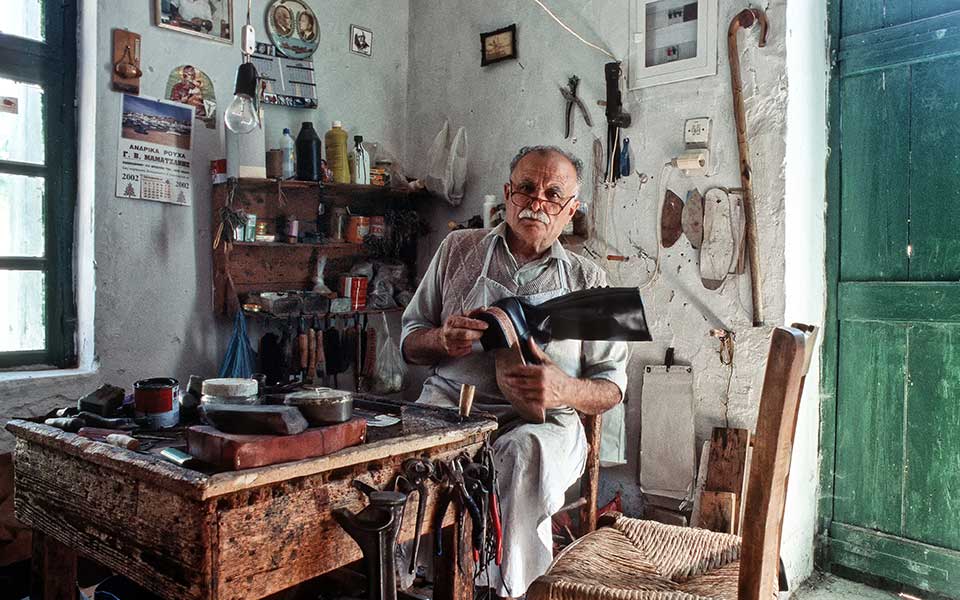
Crete, 2002
© Wolfgang Bernauer
Greece is often associated with striking light, deep shadows and vibrant colors. How has the landscape shaped his photographic style?
“Your country is a masterclass in visual perception. The intensity of the sunlight, the low horizon near the sea and the clarity of the sky create a unique play of shadows and reflections on whitewashed buildings,” he notes.
As an ophthalmologist, does he see a connection between examining the human eye and observing a place through the lens of a camera? And has this dual perspective changed the way he understands “vision,” both medically and metaphorically?
“In an eye exam with a slit lamp, we use different intensities of light, angles, shadows, and reflections. Artistic photography employs exactly the same techniques,” he explains. “And what have I gained from this? Photography has taught me to see beauty in the simple, the old, the worn, and in people whom, until then, I had not truly ‘seen’.”
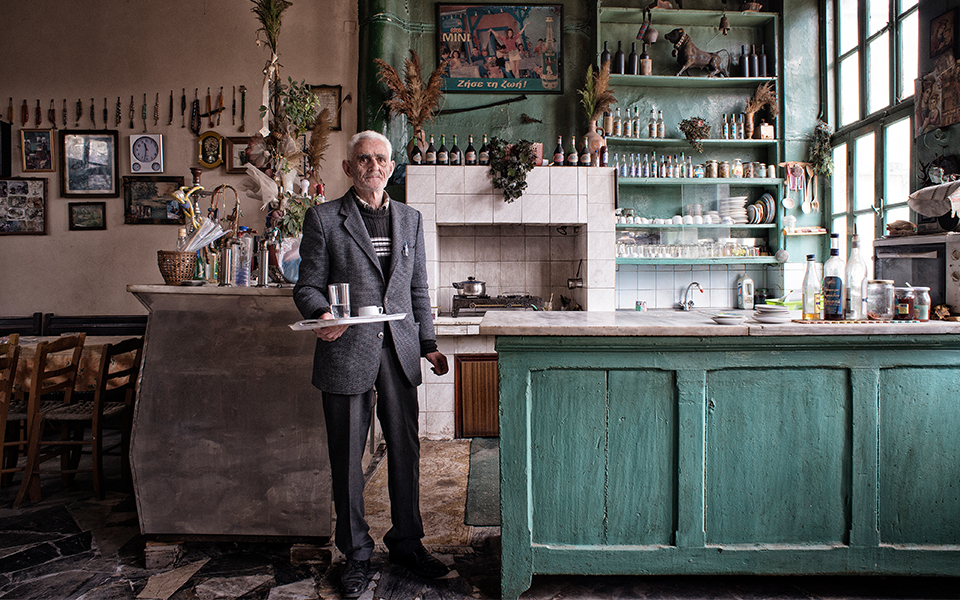
Lesvos, 2015
© Wolfgang Bernauer
This way of seeing has shaped a rich visual mosaic. My Greek Village presents a captivating gallery of human portraits: Theodoros, brewing coffee behind the counter of the café his grandfather opened in 1923; Panagiotis, kneading bread in the bakery his father built in 1922; Irini, a nun in a small mountain monastery; Thomas, who can no longer support his family with his saddlery and now tends to his beehives; Dimitris, a retired barber still serving loyal clients; Anastasios, preserving his family’s tradition of crafting barrels and furniture.
“Everything is changing at a rapid pace,” Bernauer reflects. “Old cafés are giving way to impersonal coffee shops; workshops are closing; tradition is being replaced by folklore; modernity has prevailed. I photographed a world that is disappearing, because photography is one of the most powerful tools we have to tell history. Yet it is becoming increasingly difficult to find and capture the authentic Greece. The time of the Greek village depicted in my book, sadly, is coming to an end…”
Just a short distance from Athens,...

Landscapes of wild beauty, legendary vendettas,...
With just 45 residents, Pityos is...
A challenging summer ride across the...