Kypseli: 18 Stops for Food, Coffee and Drinks
Old and new hangouts, cafés, sandwich...

© Alexandros Antoniadis
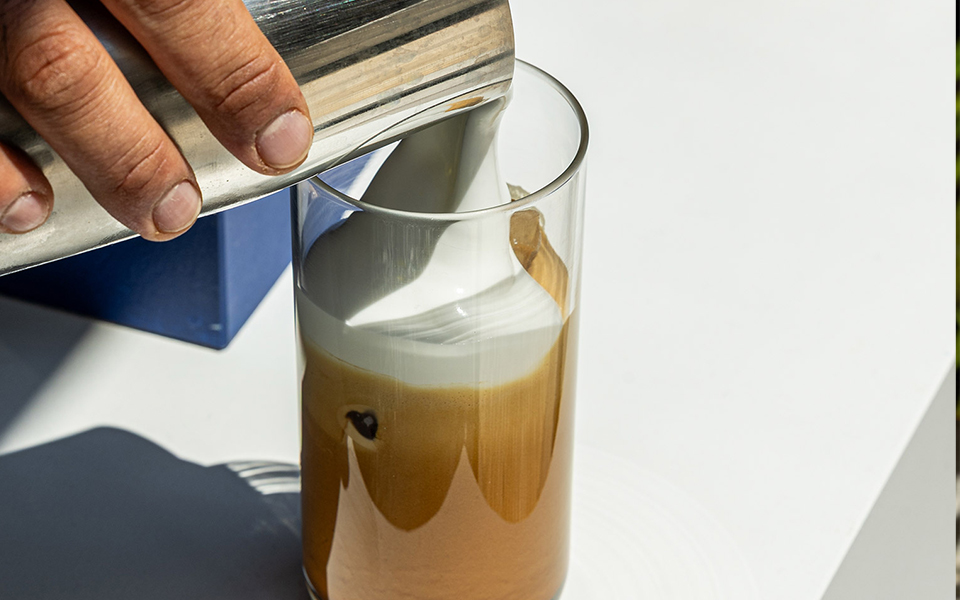
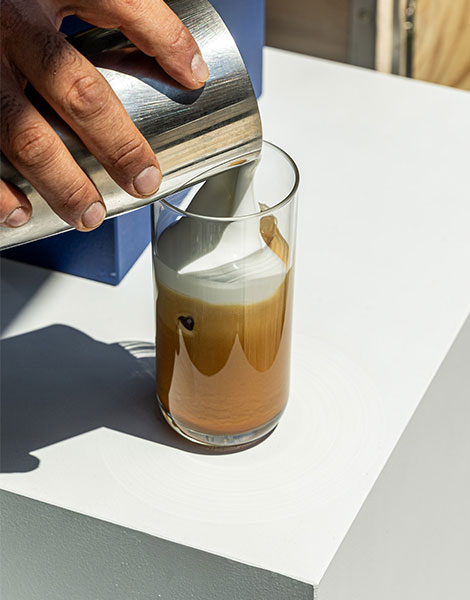
A rich, velvety foam gently resting atop freshly made iced espresso – the hallmark of a great Freddo Cappuccino. The perfect version achieves a delicate balance of textures and flavors. Each layer – the smooth, frothy milk and the strong, aromatic coffee – remains distinct at first, gradually blending together. The milk adds a natural sweetness, without muting the intensity of the espresso or watering it down too quickly.
Since small details make all the difference, we asked the team at Create, the brainchild of Greece’s top barista Stefanos Domatiotis, to walk us through every step of making the perfect Freddo Cappuccino at home.
© Alexandros Antoniadis
© Alexandros Antoniadis
Choosing the Right Coffee
All coffee types can work, but those with a fuller body and stronger character are best – they stand up better to melting ice and maintain flavor in cold drinks such as Freddo Espresso and Freddo Cappuccino. Natural-processed coffees, which tend to have more body, are particularly well-suited.
Preparing the Freddo Espresso
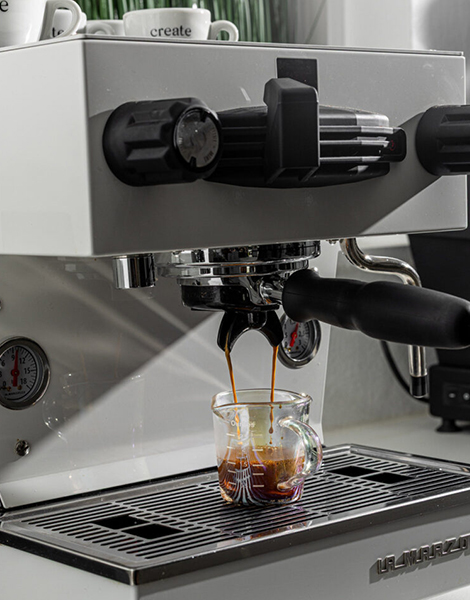
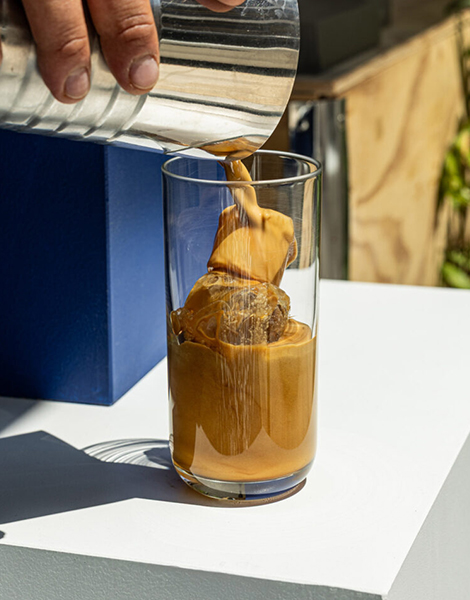
A great Freddo Cappuccino starts with a great Freddo Espresso. (You can find our full guide to making one [here].) A few key rules to remember:
© Alexandros Antoniadis
© Alexandros Antoniadis
For creamy, rich foam, it’s essential that your milk is very cold. Skim milk (0% fat) froths more easily, but full-fat milk also works perfectly if it’s chilled properly.
If Freddo Cappuccino is your go-to drink, it’s worth investing in a high-quality milk frother (frappiera). It will make the process easier, produce more consistent foam and likely last longer than cheaper models. Plus, you can use it for cocktails or in desserts such as creams and mousses.
Dairy or Plant-Based?
For those who avoid dairy, the experts recommend lactose-free milk over plant-based alternatives. Because plant milks lack animal proteins, they rarely achieve the same silky, stable foam. A professional-grade machine might do the trick, but most home devices won’t.
Lactose-free milk is naturally sweeter than regular milk, so you probably won’t need to add sugar. If you do choose a plant-based option, oat milk is your best bet for its neutral flavor. Almond or coconut milk, while tasty, will overpower the coffee’s aroma.
What If You Have Leftover Foam?
If you’ve made too much, don’t save it for later – just discard it. Once refrigerated, frothed milk loses its texture and won’t whip up properly again.
Should You Add Vodka?
You might come across quirky tips suggesting the addition of vodka or condensed milk to thicken the foam. Experts say don’t – if your milk isn’t frothing, it simply means it’s gone bad.
How Much Foam Is Enough?
Aim for about 50–80 g of milk foam. That’s the ideal ratio for a balanced Freddo Cappuccino.
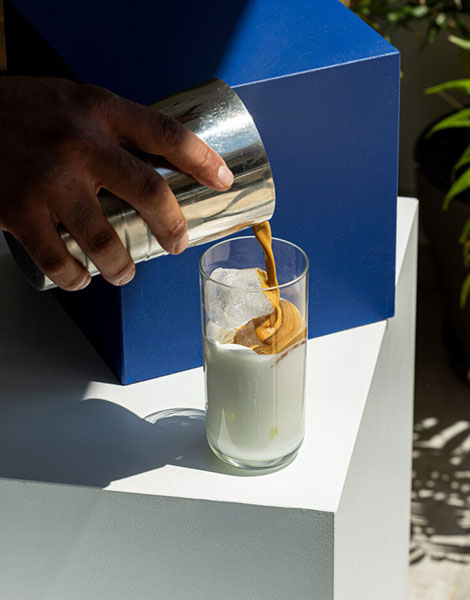
What About the “Reverse” Freddo Cappuccino?
It’s exactly the same drink – just with the layers flipped. You pour the milk foam first, then the shaken espresso over it. There’s no real difference in taste; it’s simply more photogenic, which explains why it’s been taking over social media lately!
Originally published in Greek at gastronomos.gr.
Old and new hangouts, cafés, sandwich...

A traditional honey-and-cheese pie from Mykonos,...

A hidden gem in Pangrati where...

Discover how Christos, Athens’ master souvlaki...