Tyrokafteri: Greece’s Spicy Cheese Spread (with a Bonus...
Explore the story and flavor of...

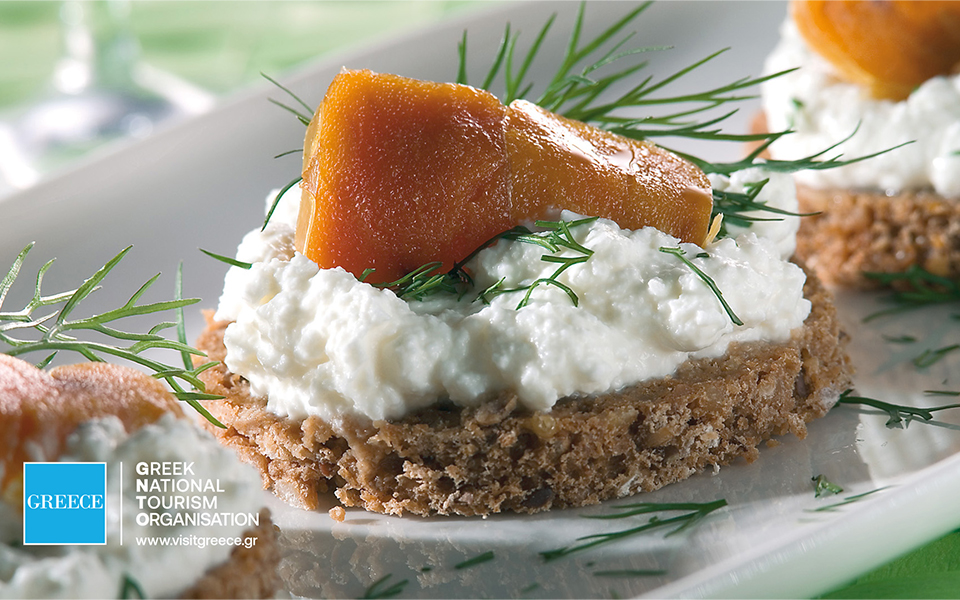
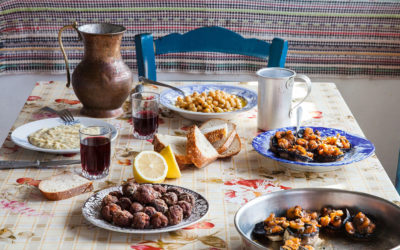
Across Greece, the act of eating is never simply about food. It is an encounter with landscape, climate and memory; a sensory map of the country itself. Yet the contrast between island and mainland cooking reveals two distinct worlds shaped by necessity and imagination, by salt air and mountain mist. They share the same Mediterranean heart but speak in different dialects of flavor.
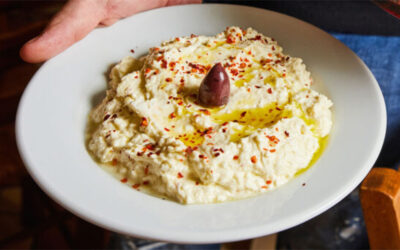
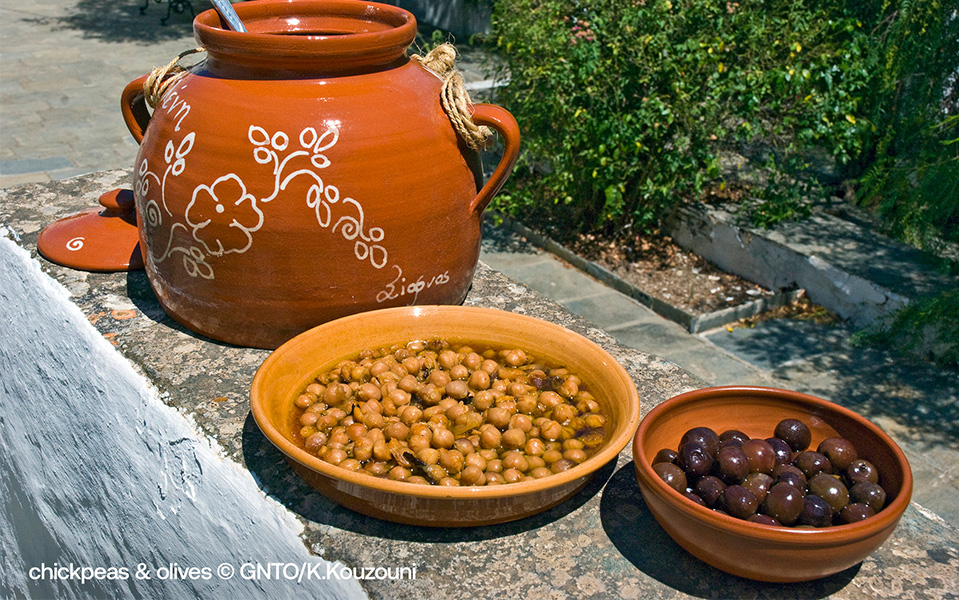
On the islands, scarcity became the mother of invention. Limited farmland, abundant fish, and the fierce generosity of the sun inspired a cuisine of clarity and invention. In Santorini, the volcanic soil produces the island’s golden fava beans, a humble legume turned silky purée, drizzled with olive oil, brightened with lemon. The famous tomatokeftedes, tomato fritters flecked with oregano and mint, capture the island’s warm, mineral character. Sail across the Cyclades and you find the same economy of means transformed into beauty: on Sifnos, chickpeas bake overnight in sealed clay pots, perfuming Sunday mornings with earthy comfort, while in Naxos, sharp and mature arseniko cheese anchors every simple meal.
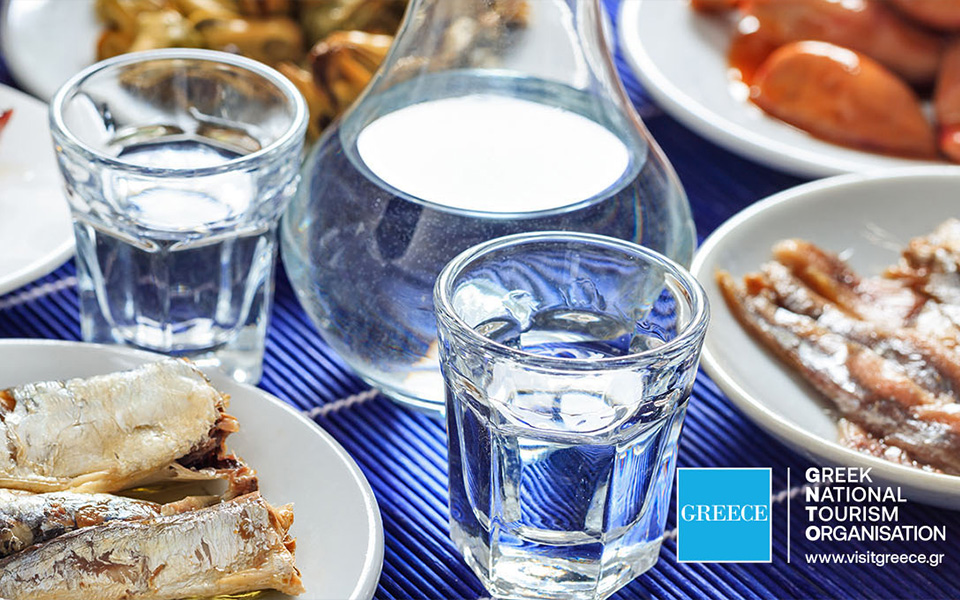
© Shutterstock
Further west, in the Ionian Sea, Corfu tells another story altogether, one written in Venetian ink. Here, the mainland’s pastoral soul meets Adriatic sophistication. Dishes like pastitsada, beef or rooster slow cooked with cloves, or sofrito, veal simmered in white wine and garlic, reveal a legacy of centuries of contact and exchange. And then there is Crete, an island so large and self-sufficient it feels like a continent of its own. From its mountain villages come snails fried with rosemary and vinegar, wild greens dressed in olive oil so fragrant it could be perfume, and barley rusks topped with tomato, cheese, and oregano: the beloved dakos. Crete bridges the two worlds effortlessly: a place where the sea meets the soil, and abundance coexists with austerity.
The mainland, by contrast, speaks in slower tones. It is the Greece of hearths and harvests, of cold winters and communal tables. In Epirus, every village seems to have its own version of pita, a savory pie filled with foraged greens, leeks, or cheese, baked in large round pans for family feasts. In Macedonia and Thrace, where trade routes once carried spices and stories, the food grows bolder. Peppers, bulgur, and paprika color rich stews of lamb or beef. Farther south, in the olive-drenched Peloponnese, ovens glow with arni giouvetsi – lamb baked slowly with orzo and tomato – while in Mani, sage-smoked pork known as syglino hangs in stone kitchens, preserved in olive oil and tradition.
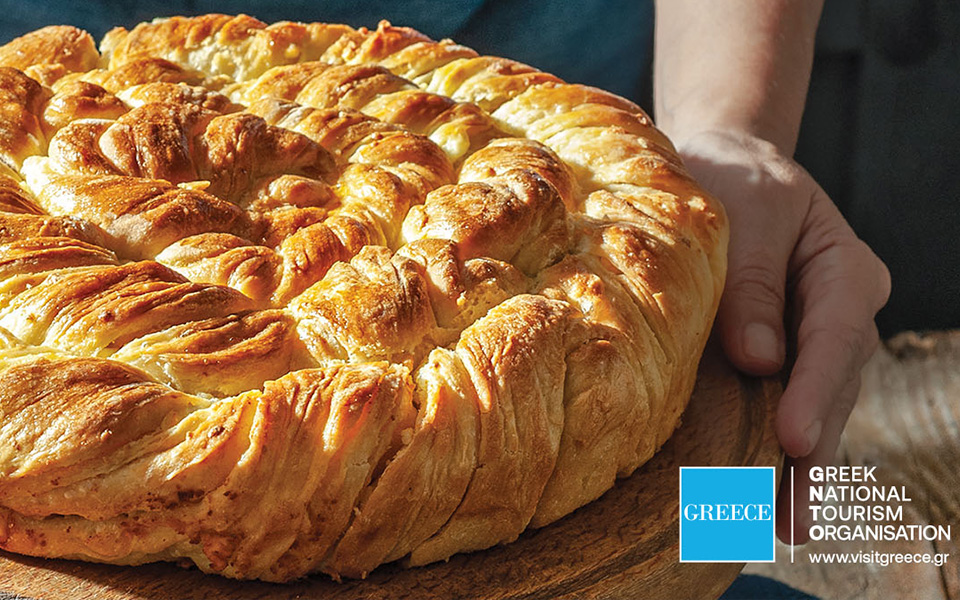
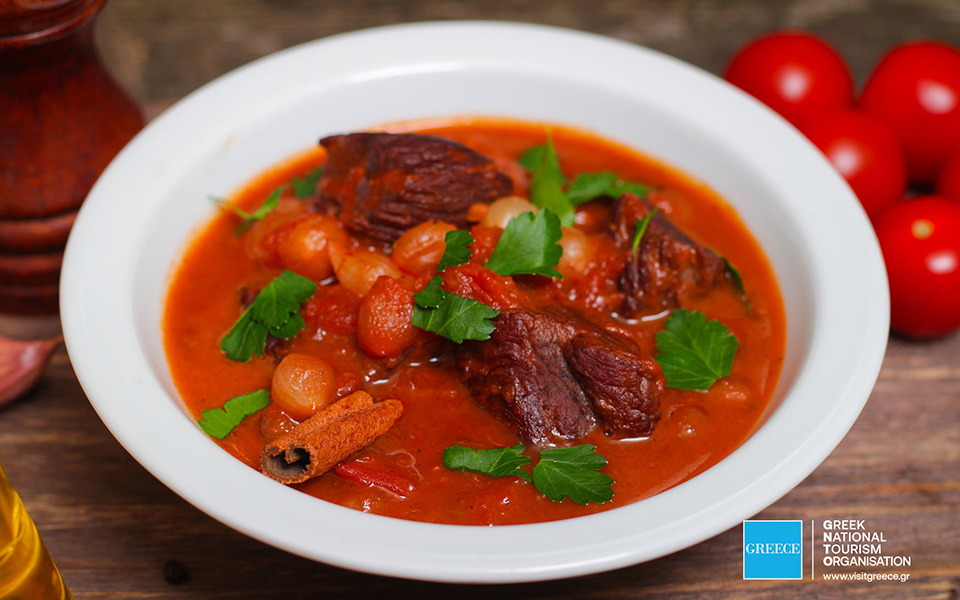
© Shutterstock
Despite their differences, both the islands and the mainland table are bound by a shared ethos: reverence for the ingredient itself. Greek cuisine has never been about embellishment; it’s about allowing the natural to shine. The olive oil that binds, the bread that welcomes, the wine that seals a friendship: these are constants from Crete to Epirus, from Corfu to the Cyclades. Over centuries, migration and trade blurred the boundaries between these culinary worlds. Refugees from Asia Minor brought new spices to the Aegean, while shepherds carried their cheese-making craft to the coasts. The Greek table, ever evolving, remains rooted in the wisdom of balance between sea and mountain, feast and restraint, past and present.
Today, a new generation of chefs and home cooks continues the conversation. In Athens, you might taste octopus paired with mountain herbs, or lentils cooked with wild greens and a drizzle of citrus – the sea and the soil conversing on the same plate. Whether you find yourself at a harbor taverna at sunset or beside a crackling fireplace in a stone village, you are, in essence, tasting the same story told two ways: salt and earth, light and depth, simplicity and soul.
In Greece, to eat is to listen to the whisper of the sea and the echo of the hills, two voices that have always belonged to the same song.
Explore the story and flavor of...
How Metsovo thrives against the odds...

This article explores four cozy Greek...
A Thessaloniki expert selects 13 spots...