The Flavors of Greek Autumn
As summer draws slowly to a...

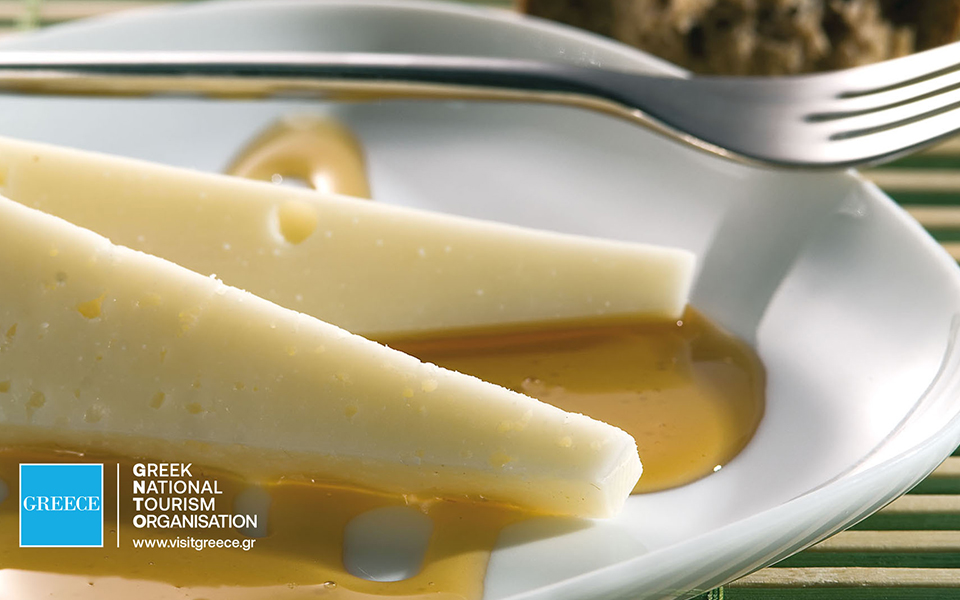
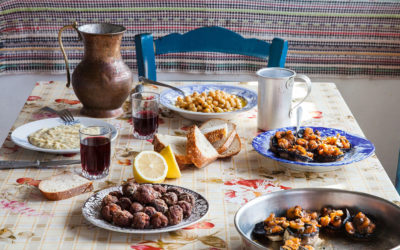
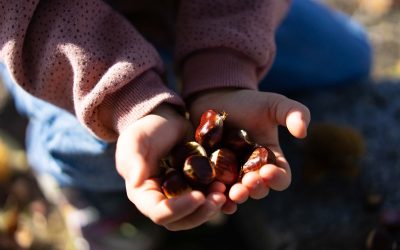
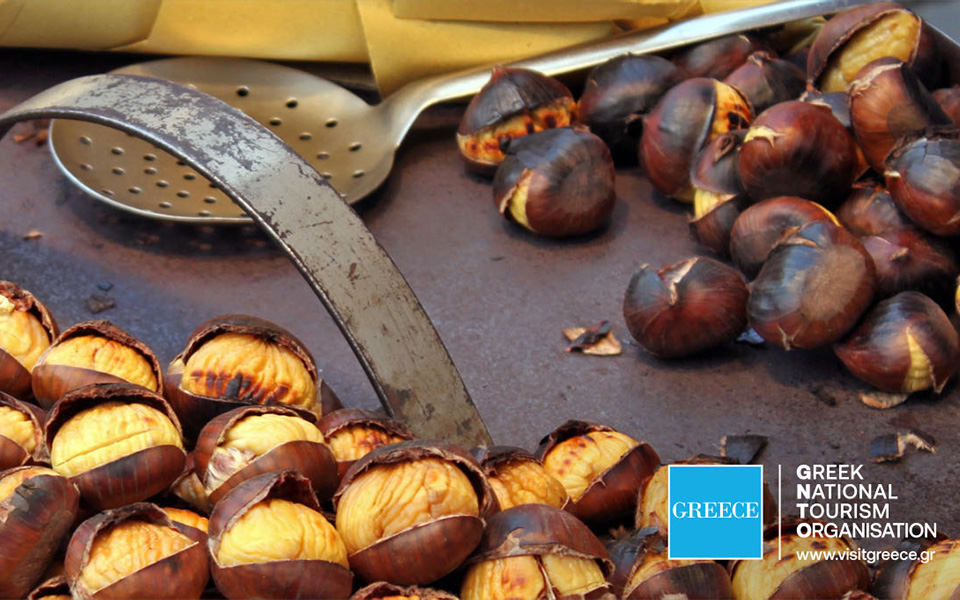
In Greece, what you put on the table tells a story: of land and sea, of generations at work, and of the timeless interplay between nature and human hands. The rich tapestry of Greek gastronomy is woven from pure natural products: olives and extra virgin olive oil, dairy from mountain pastures, sweet honey from whispering hills, fresh fish from azure seas, and nuts that hold the stories of harvests past.
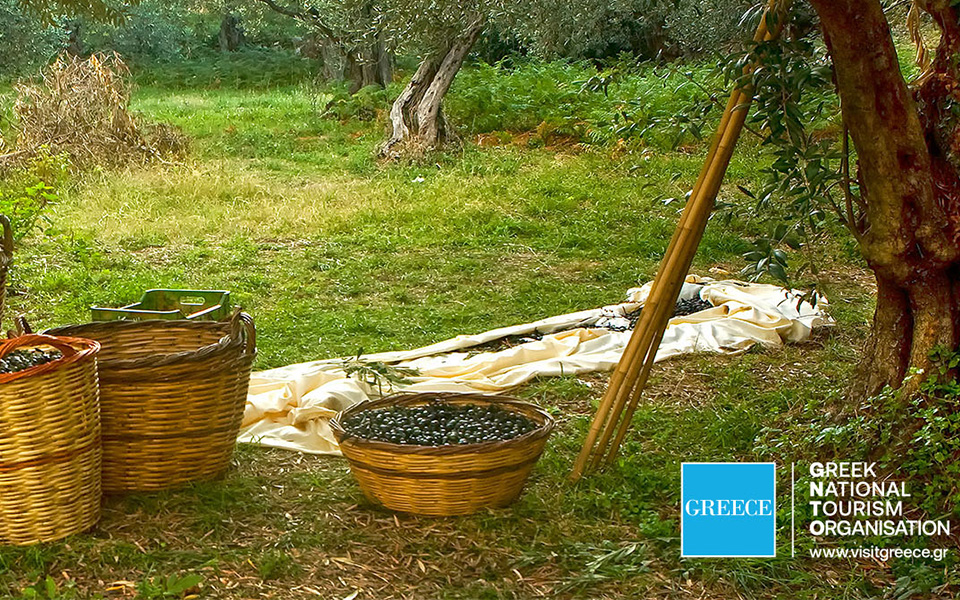
Take olive oil, for instance. More than just a cooking staple, it is the liquid gold of Greece, pressed from trees that have grown among ancient ruins and sun-soaked hills. Across the country, certain olive oils have earned the prestigious Protected Designation of Origin (PDO) status, signalling their tie to a place as well as a tradition. And then there are the cheeses: more than twenty varieties have been awarded PDO recognition, each rooted in particular regions, specific breeds of animal, and age-old shepherding practices. It’s not just food, it’s living heritage.
© Perikles Merakos
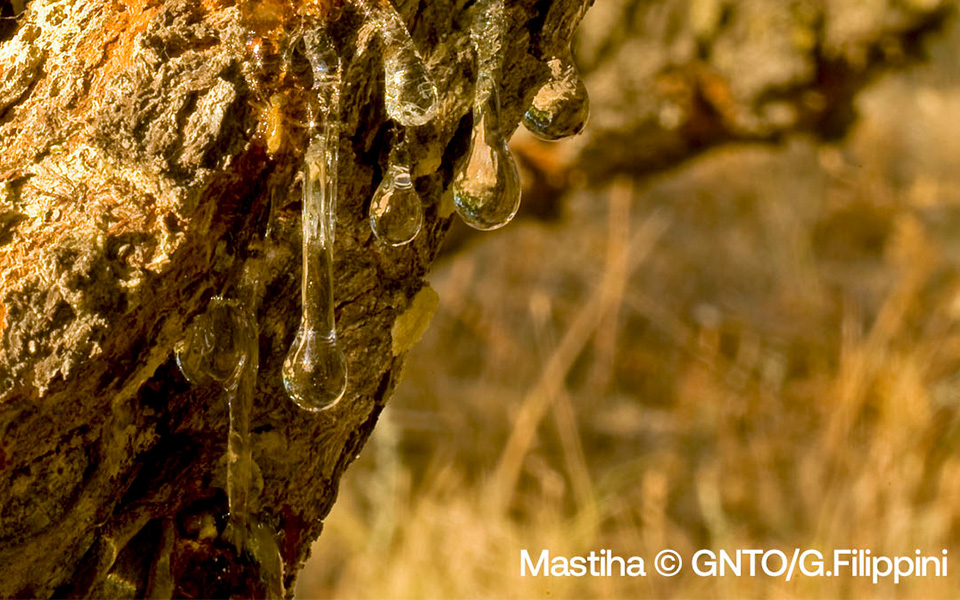
To travel through Greece via its pantry is to recognise how each hill, each island, each coast contributes something unique. From the north to the south, you’ll find 88 Greek products that have been certified under the PDO banner: 20 cheeses, 27 olive oils, 23 vegetables and pulses, 10 olive varieties, along with Cretan rusks, the famed avgotaracho (salted flat-head mullet roe) of Messolongi, the mastic of Chios, and the saffron of Kozani.
Follow the bees in the wild thyme fields of Crete or the pine forests of the mainland and you will discover the essence of Greek honey, pure, golden, and perfumed by the flowers of its landscape. Drizzled over thick yogurt, spooned atop fruit, or binding nut-filled pastries, it is nature’s own sweetness, unaltered and deeply tied to place.
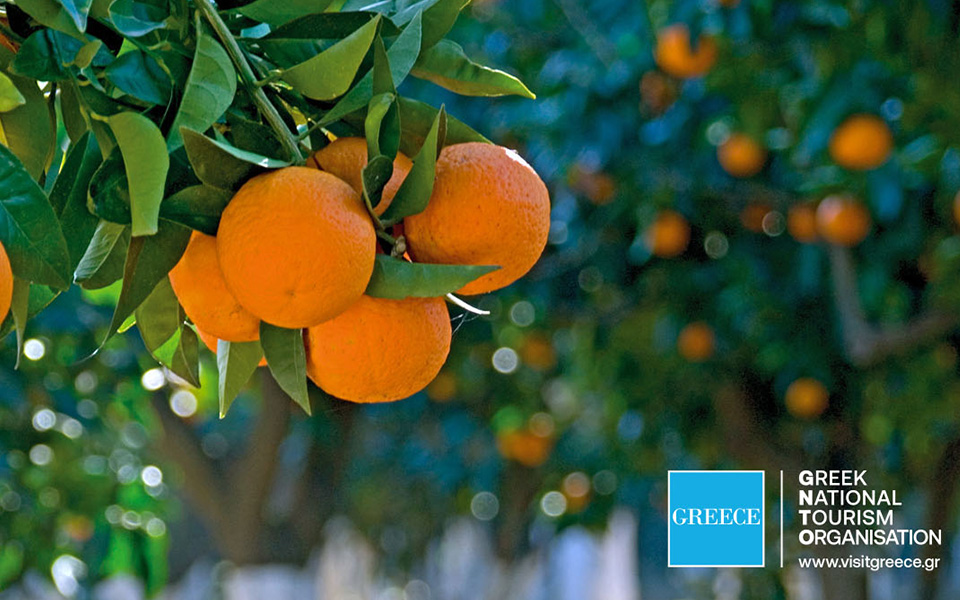
Venture further and you’ll discover how islands and remote regions nurture products of singular character. The citrus-scented kumquat liqueur of Corfu, the citron distillate of Naxos, the aromatic mastic resin of Chios. All echo their terroir, not only in flavor, but in place, climate and tradition.
© Shutterstock
Yet more than taste, these products reflect a way of life. In remote villages, farmers still wake before dawn to harvest olives and shepherds watch over their flock in the highlands, crafting cheese that carries in every bite the clean mountain air. The result is a cuisine rich in authenticity and built on generosity, respect for nature’s rhythms, and a deep connection to place.
For the traveller seeking more than just a meal, visiting Greece means experiencing the essence of a place: fresh bread drizzled with freshly pressed emerald-green olive oil, creamy yogurt covered in aromatic honey, earthy nuts and seeds. These are not simply products to be bought; they are gifts from the landscape and its people.
As you travel through Greece, let your senses guide you to local markets and tables. Ask for olive oil from the local mill. Try cheese aged in a cool stone cellar. Seek out honey labelled by region and look for the PDO label. In doing so, you won’t just be tasting food – you will be experiencing Greece itself.
As summer draws slowly to a...