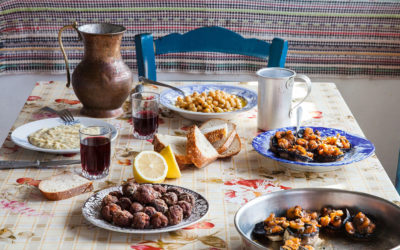
“Every Choice a Chef Makes on a Menu...
Michiel Bakker, President of the Culinary...

© Dimitris Vlaikos
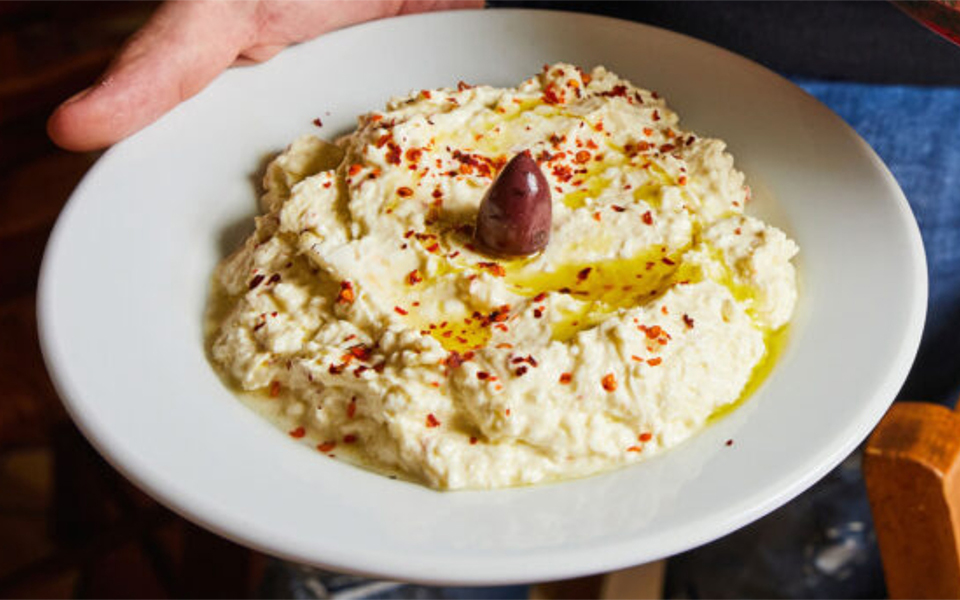
Feta cheese, a dash of heat, and some good olive oil. That’s all it takes to make the beloved Greek spicy cheese spread. A brilliant combination of just a few ingredients that complement each other perfectly. While tyrokafteri is usually ordered at a taverna year round, this dish is also effortlessly prepared at home – especially during the summer, traditionally the season of pepper.
Strangely enough, spicy food pairs well with hot weather. Though it may sound counterintuitive, science backs it up. “It’s about thermoregulation,” says clinical dietitian-nutritionist Maria Biziou. “When we eat spicy food, our heart rate increases, we start sweating, and that sweat cools us down slightly, typically by one or two degrees. That’s why many cultures in hot climates regularly consume spicy dishes.”
However, she adds a note of caution: “For those unaccustomed to heat, spicy food can feel overwhelming and even make the situation worse. But for spice lovers, tyrokafteri can offer some refreshing relief.”
While simple in essence, tyrokafteri has its secrets. The key is choosing high-quality feta cheese and excellent olive oil (early harvest olive oil also works beautifully). From there, the heat can be tailored to taste: roasted fresh chili peppers, spicy paprika, boukovo (Greek red chili flakes), or a blend of all the above do the trick.
Feta is the foundation – preferably a quality variety from regions like Kalavryta or Kefalonia. For a more mellow version, feta can be mixed with a soft cheese like anthotyro, manouri, strained yogurt or a creamy cheese spread like galotyri and tsalafouti. Kefir can also add a cooling tang that balances the heat. The combinations are endless. One popular regional variation is prentza from Kefalonia, made with a combination of crumbled feta and mizithra.
You can use any variety of hot pepper: red chili, green jalapeno, or horn-shaped hot peppers. The color of the spread will vary depending on the peppers. Expect it to be pinkish if red peppers are used, pale green if they’re green, or even multicolored if mixed.
Roasting tip: Lightly oil the peppers and roast them in the oven at 180°C (350°F) for about 15 minutes, until the skin is charred. Place them in a covered bowl to steam for 10 minutes. This makes peeling easier. Remove the stems (and seeds, if you prefer less heat), then blend into a paste with olive oil.
Adjust the spice level to your taste. Since most of the heat is in the seeds, removing them will yield a milder spread. For convenience, you can also use boukovo, spicy paprika, or even Tabasco instead of fresh peppers.
Tyrokafteri doesn’t need much, but a few thoughtful additions can elevate it. Add herbs like oregano, thyme or mint, a splash of vinegar, or a touch of tomato paste for complexity. For a subtle garlic flavor, infuse the olive oil with a smashed clove of garlic ahead of time. Half a roasted Florina pepper, blended in, adds sweetness and deeper color.
© Angelos Giotopoulos

© Angelos Giotopoulos
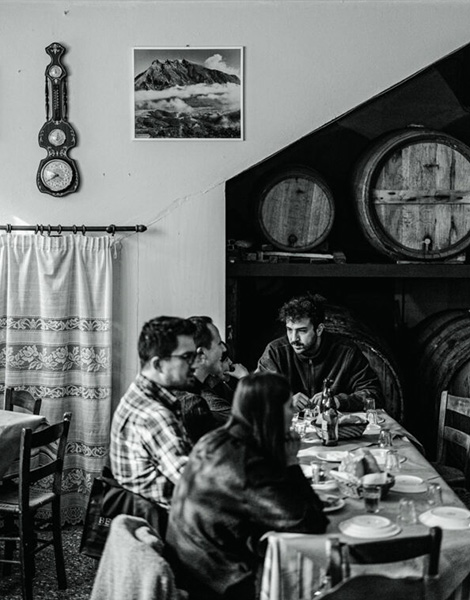
Marathonitis in Pangrati has been a beloved hangout for over 50 years. It started as a small wine shop before later becoming an eatery; today, it’s a cozy taverna serving grilled meat, select meze dishes and a dream-worthy spicy cheese spread! Marathonitis serves as many platters of lamb chops as it has tables to put them on; it’s their most popular dish. Equally delicious, however, are their flavorful mutton chops – and, of course, this famous tyrokafteri, for which we managed to get the recipe.
Total time: 30 minutes, Servings: 4
To make Marathonitis’ tyrokafteri:
Crumble the feta cheese by hand and place it in a bowl along with all the other ingredients.
Mix well, taste, and adjust the seasoning to your liking.
Serve with warm pita bread or grilled meats, or enjoy it as a dip with various meze.
Originally published in Greek at gastronomos.gr.
Michiel Bakker, President of the Culinary...

In a summer of soaring prices,...
Souvlaki joints started appearing in earnest...
All the secrets to producing a...