Messinia: One of the World’s Hottest Travel Destinations…
International media spotlight the Peloponnese as…

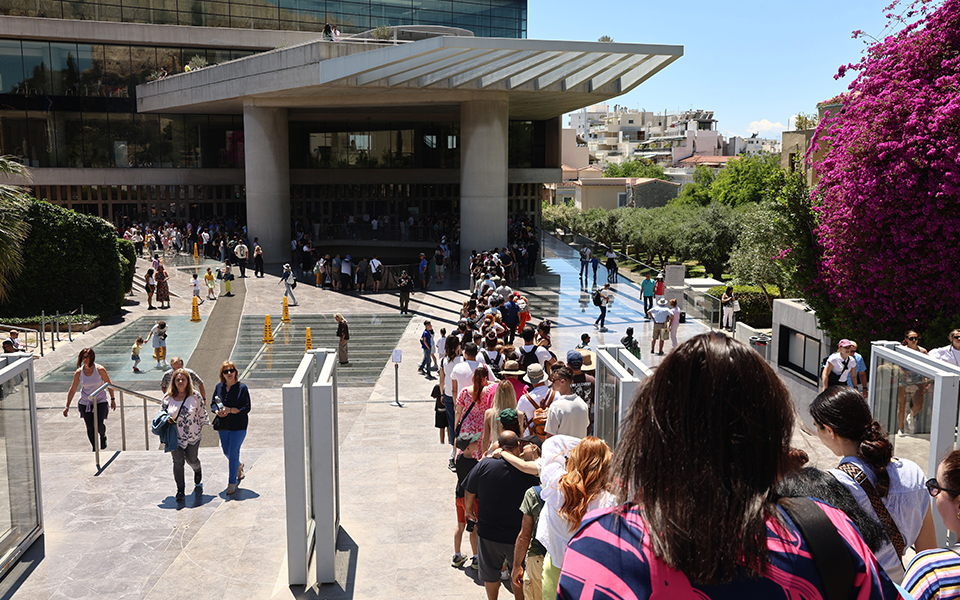
Visitors queue outside the Acropolis Museum on International Museum Day, when a record 18,000 people were admitted. With the Louvre’s surprise strike fresh in mind, Greek museums are rethinking how to handle growing crowds.
© Liakos Giannis / INTIME NEWS
As global travel rebounds in the post-pandemic era, Greece’s museums are navigating a delicate balancing act: welcoming a record number of visitors while avoiding the chaos seen in places like Paris’s Louvre, where staff recently walked off the job over unbearable crowding.
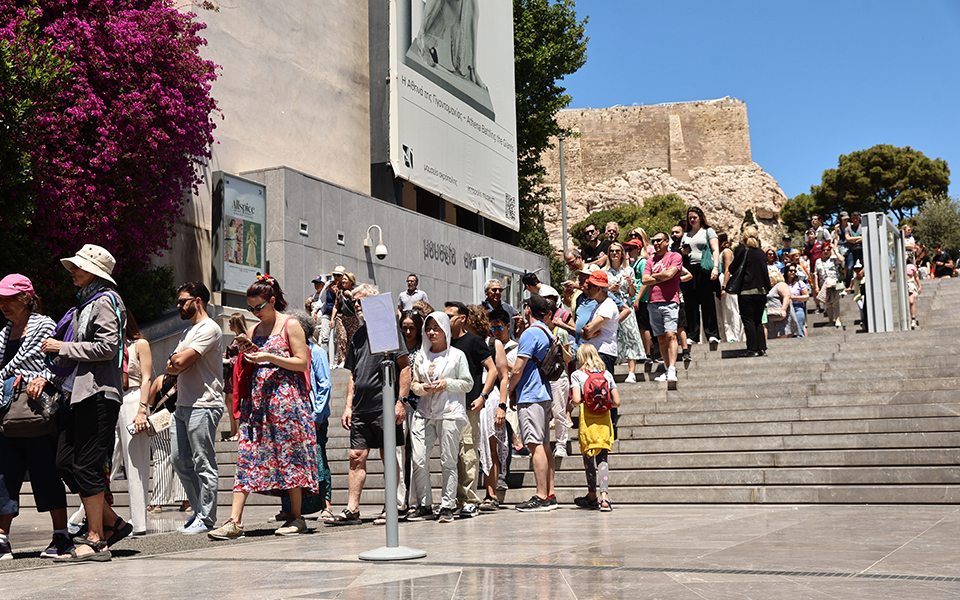
For now, Greece appears to be managing. “We don’t appear to have a problem,” says Nikolaos Stampolidis, Director of the Acropolis Museum in Athens. The museum welcomed nearly two million visitors in 2024, with daily traffic averaging around 7,000 to 8,000, well below the state-imposed cap of 20,000 for the Sacred Rock. Still, summer peak hours from 11 am to 3 pm can bring significant surges, with one free-entry day on May 18, International Museum Day, drawing a record-breaking 18,000 visitors. “We have never seen such turnout before,” notes Dr. Stampolidis.
To ease pressure, the museum relies on well trained staff and adaptive visitor flow strategies. During heat waves – or cold spells in winter – guests are ushered indoors to avoid long outdoor queues. Others are directed first to the Excavation Museum beneath the main galleries, helping to ease crowd buildup upstairs.
© Liakos Giannis / INTIME NEWS
The broader Acropolis site has adopted “visitor zones” in response to the post-pandemic tourism surge, limiting access to 20,000 people daily through timed tickets sold on hhticket.gr. This zoning model is being expanded to more than 100 archaeological sites and museums nationwide, up from about 30 currently.
“Visitor zones help bring order,” notes Lysandros Tsilidis, president of FedHATTA, the Federation of Greek Travel and Tourism Agencies. With cruise ships now unloading thousands of passengers at once, the system helps regulate flows in the capital. FedHATTA has also proposed ideas such as evening tours of the Acropolis and reviving cultural events at historic sites to distribute visits more evenly.
Other museums are monitoring the situation closely. The National Archaeological Museum in Athens still has room to grow – it hosted 642,000 visitors in 2024 – but heavy cruise days can strain its aging ventilation systems. The museum’s upcoming renovation is partly aimed at addressing this. The Heraklion Archaeological Museum in Crete remains well-staffed and open daily, with a capacity of up to 20,000 visitors. “We don’t have a problem so far, because we’ve hired many staff and, with a fairly good budget, keep the museum open seven days a week, twelve hours daily except Wednesdays,” says chairman Ioakeim Gryspolakis.
In smaller or remote island locations like Delos, congestion occurs mainly at ferry ticket counters, says Cyclades Ephorate of Antiquities director Dimitris Athanasoulis. Once on-site, the crowds tend to disperse. In the Cyclades, he adds, there’s substantial capacity for increased visitation.
The Benaki Museum in Athens has rarely been overwhelmed, though specific exhibitions – like “1821 Before and After” – have drawn last-minute rushes. Its galleries have varying capacities, with some capped at just 70 people. “We built a zoning system during the pandemic,” says scientific director Giorgis Magginis, “and we’re ready to use it again if needed.”
As the tourist season reaches its peak, Greece’s museums stand at a critical juncture. Their success so far reflects thoughtful planning and flexible management, but the pressure is mounting. Continued investment in staff, infrastructure, and innovative visitor strategies remains essential. If Greece is to keep its cultural heritage both accessible and sustainable, it must remain proactive—not only to meet growing demand, but also to safeguard the quality of the visitor experience and the integrity of the monuments themselves.
With information from kathimerini.gr.
International media spotlight the Peloponnese as…
From iconic favorites to under-the-radar escapes,…

Extended flight schedules and rising demand…
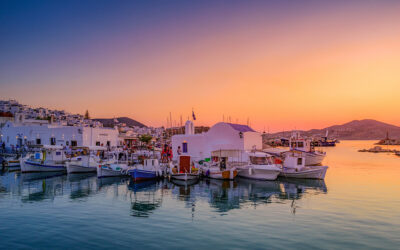
Paros rises as a global favorite,…