Scaffolding Removed from the Parthenon After Two Decades
The removal marks a rare moment…

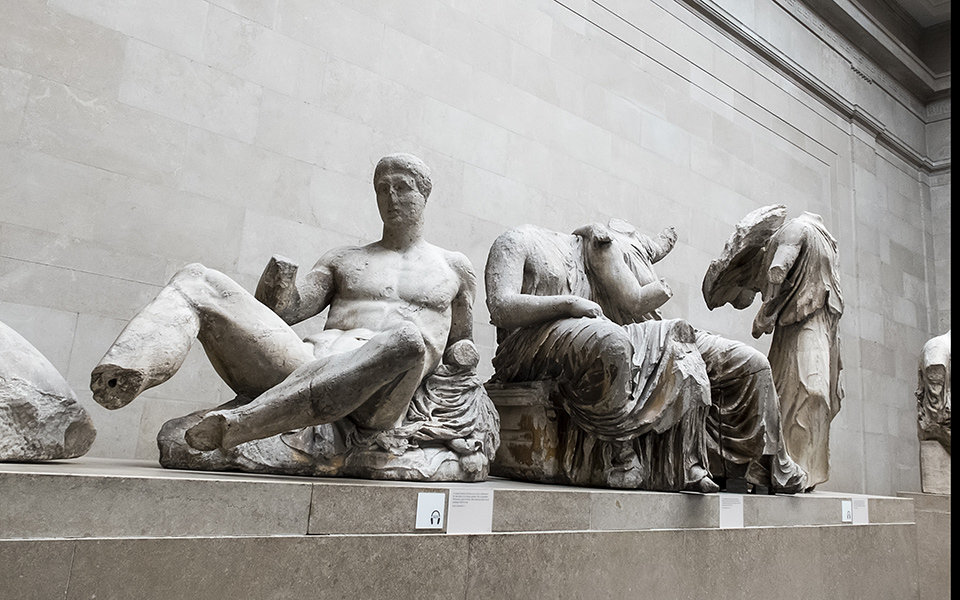
The dispute over the Parthenon Sculptures is one of the most entrenched cultural rifts between Greece and the United Kingdom.
© Shutterstock
A long-awaited breakthrough in the Parthenon Sculptures dispute may finally be edging into view. George Osborne, current chairman of the British Museum and former UK chancellor during the Cameron government, has signaled that a cultural-exchange agreement with Greece is now a realistic prospect, describing himself as “pretty optimistic” about striking a deal that could see the treasured artworks reunited in Athens.
Speaking in a recent interview with The Sunday Times, Osborne called the reunification issue the museum’s “most intractable problem for 200 years,” but insisted that a mutually acceptable compromise is possible. “You have to be a bit humble when you turn up and say you are going to solve it,” he admitted, adding: “But I’m still pretty optimistic.”
Osborne has repeatedly stressed that the success of any agreement depends on what he describes as an “open-minded” approach by both sides. Crucially, he acknowledges that Greece’s long-standing position is “absolutely understandable,” a notable departure from the more defensive tone often associated with the Museum’s previous leadership.
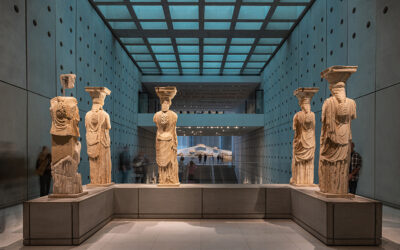
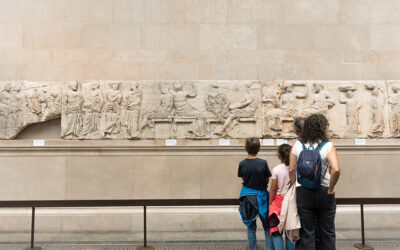
Since the 1980s, successive Greek governments have framed the return of the Sculptures as a matter of cultural reunification and historical justice. Athens maintains that only in the purpose-built Acropolis Museum, which opened in 2009, can the sculptures be experienced as a unified architectural and artistic whole. Osborne, for his part, has avoided the language of permanent restitution, instead floating an arrangement based on long-term loans and a wider cultural partnership.
“If everyone approaches this with an open mind, there is a landing zone that meets the entirely understandable requirements of the Greek state as well as our own laws and obligations,” he said. “And if we get there, we will have some remarkable objects coming here.”
This “landing zone,” as Osborne calls it, would likely involve major Greek antiquities being loaned to London in exchange for the Parthenon Sculptures being displayed in Athens. Such a model would allow the British Museum to navigate the strict UK laws that prohibit deaccessioning objects while still addressing Greece’s core demand for reunification.
The timing of Osborne’s optimism is conspicuous. The British Museum is emerging from a difficult period marked by the pandemic and a scandal involving the disappearance or damage of around 2,000 small artifacts, largely unregistered gems and jewelry. An independent review has since led to security reforms and tighter documentation procedures. The Museum is also moving ahead with an ambitious masterplan to redevelop its aging Western Range, home to the Greek and Roman galleries.
Osborne argues that this renewal process is part of redefining the Museum’s global role, and that the Parthenon question remains central to that transformation. “If we pull it off,” he said, “we’ll have some great objects coming here.”
For Greece, the prospect of the Sculptures’ reunification has never felt closer. For the British Museum, a cultural-exchange deal could offer a rare opportunity to turn a centuries-old controversy into a model of diplomatic collaboration.
The removal marks a rare moment…
Join archaeologists on a journey through…
Fresh polling shows growing UK support…

Brian Cox lends his voice to…