
Andros Named Greece’s Top Hiking Destination for 2025
Voters at this year’s Greek Travel…

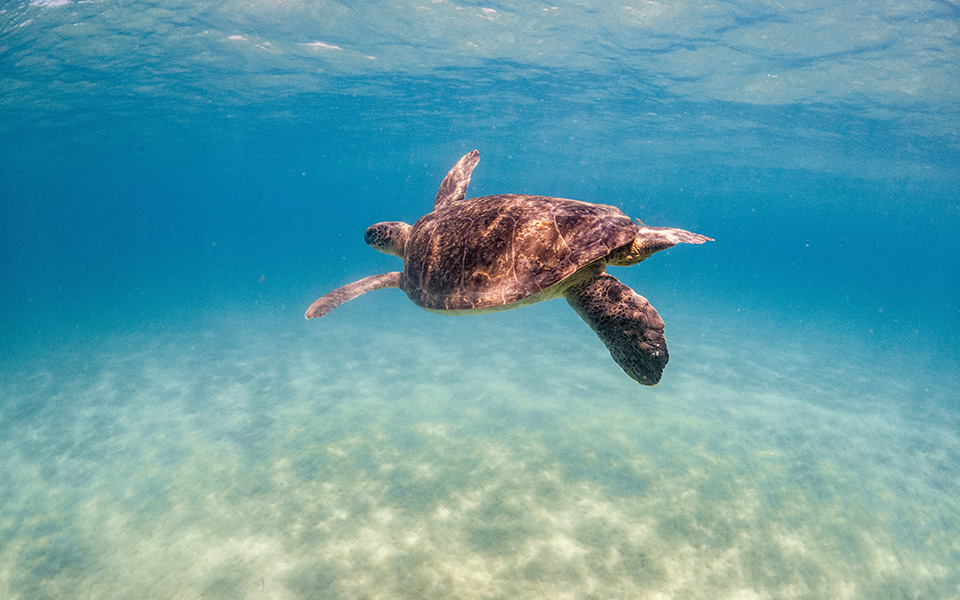
A young Caretta caretta turtle swims in Greek waters. The planned creation of new protected marine areas marks a major step toward safeguarding Greece’s seas and supporting sustainable tourism.
© Shutterstock
Greece is taking a decisive step toward protecting its marine environment with the approval of two new National Marine Parks, one in the Ionian Sea and another in the Southern Cyclades. Announced by the Ministry of Environment and Energy, the move clears the way for the formal establishment of large-scale marine protection zones – and signals a clear commitment to sustainability in some of the country’s most beloved coastal and island regions.
The new parks are based on recently approved Special Environmental Studies and are designed to strike a careful balance between environmental protection and responsible economic activity. For tourism, this means safeguarding the very seascapes that draw millions of visitors to Greece each year, from crystal-clear waters and vibrant marine life to island coastlines that still feel refreshingly unspoiled.
With more than 35 percent of its territorial waters now under protection, Greece has already surpassed the European Union’s 2030 marine conservation targets. The milestone strengthens the country’s international profile as a destination that takes sustainability seriously, offering travelers cleaner seas, healthier ecosystems, and places protected from the pressures of overexploitation.
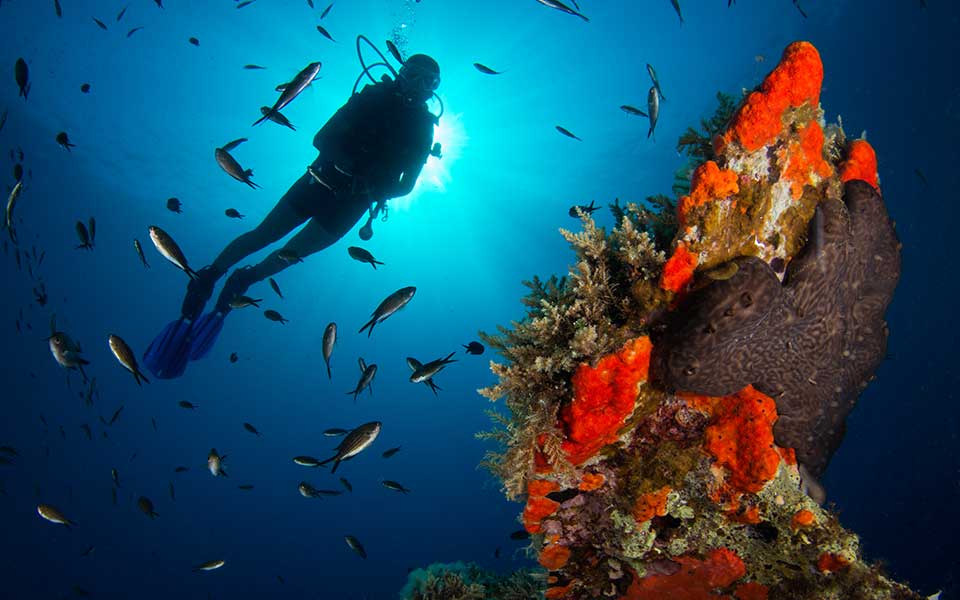
By supporting nature-focused experiences like diving and snorkeling, Greece is strengthening its long-term sustainable tourism strategy.
© Shutterstock
A key element of the new framework is a ban on bottom-damaging fishing practices, including certain trawling methods that harm the seabed. Allowing marine habitats to recover is expected to boost biodiversity over time, while also supporting low-impact, high-value tourism activities such as diving, snorkeling, and other nature-focused experiences – all increasingly popular with environmentally conscious travelers.
Oversight of the new marine parks will be strengthened through the Organization for Natural Environment and Climate Change (OFYPEKA), which is expanding its presence with new local units on Milos, Amorgos, and Kythira. Enhanced monitoring tools and specialist staff are intended to ensure effective protection and enforcement across the protected areas.
For island communities, the initiative provides clearer rules, stronger safeguards for natural resources, and a framework that favors long-term prosperity over short-term gains. By replacing fragmented protections with interconnected marine park networks, Greece is positioning environmental stewardship not as a constraint, but as a cornerstone of its future tourism model.
Voters at this year’s Greek Travel…
Permanent barrier installed at the Portara…
Cinema meets conservation as Alonissos launches…
France embraces Greece’s Small Cyclades, micro-islands…

