Discovering Metsovo’s Timeless Spirit
At any time of year –...


Ermioni
© Shutterstock
At first glance, the seaside village of Galissas on Syros, the mountain village of Elati in Trikala, the medieval mastic village of Patrika on Chios, the town of Ermioni in Argolis, and the village of Kefalovrysi in Trifylia, Messenia, appear to have little in common. Yet they share a common ambition.
The five communities are Greece’s nominees for this year’s Best Tourism Villages initiative, organized by the United Nations Tourism Organization (UN Tourism). To qualify, villages must have a population of no more than 15,000 residents and meet a range of criteria, including an authentic way of life, strong community values, the preservation of traditional activities, and the protection of local identity and cultural heritage.
If selected, they will earn a place in the Best Tourism Villages Network, which today includes around 300 destinations worldwide, among them Anogeia in Crete. The network recognizes villages whose distinctive characteristics make them models of sustainable tourism development.
They also hope to gain international recognition by taking advantage of the global visibility that such a distinction can provide.
Galissas
© Intime News
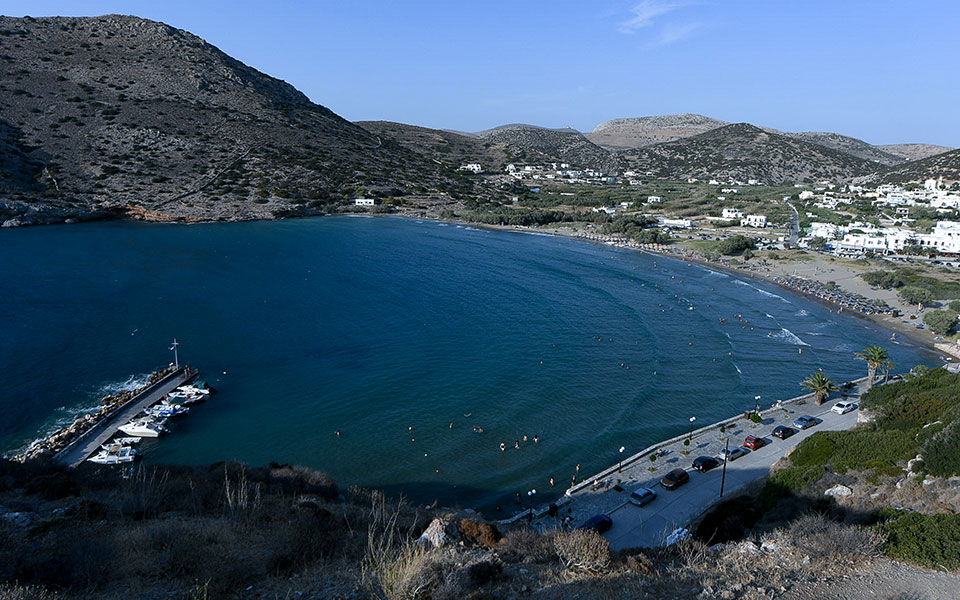
Galissas, one of Syros’ best-loved seaside villages, was immortalized in the classic Greek song Fragosyriani. Known for its sandy beach, tamarisk trees, and the hilltop chapel of Aghia Pakou overlooking the island’s west coast, the village has managed to retain its fishing heritage and strong culinary traditions despite its popularity.
“A village blessed with natural beauty, history, a wonderful beach, living traditions, rural life, gastronomy, accessibility and people who deeply care for their home is now entering an international process of evaluation and promotion,” the Municipality of Syros-Hermoupolis said in a statement. “This is an opportunity to showcase a more authentic side of Syros – the Syros of villages, hospitality, local life, history, tradition and the everyday efforts of its people.”
Ermioni’s nomination forms part of the Municipality of Ermionida’s broader effort to raise the area’s international profile, promote tourism and support the local economy by highlighting its cultural heritage and distinctive identity.
Often described as having the feel of an island despite its mainland location, Ermioni is known for its maritime history, elegant mansions, narrow streets, wooded hillsides, and sheltered coves. The town has preserved its relaxed character while embracing low-impact tourism.

Chios mastiha
© Nikos Boutsikos

Elati Trikalon
© Shutterstock
The mountain village of Kefalovrysi in Messenia takes its name from the 120-year-old stone spring that is located beside the centuries-old plane tree in the village square. Once known as Ripesi, the village has earned recognition for its community-led approach to rural revitalization, with residents working alongside the Municipality of Trifylia and the social cooperative Mali Mali Ripesi to preserve its historic identity.
“Being one Greece’s five nominees is a remarkable achievement for our village, as it recognizes at a national level its unique identity, cultural heritage and potential for sustainable development,” the Municipality of Trifylia said in a statement.
Nestled among fir forests at an altitude of 950 meters (3,117 feet) on the slopes of Mount Koziakas in the southern Pindus range, Elati, formerly known as Tyrna, is one of Greece’s best-known winter destinations. Its popularity is largely due to its proximity to the Pertouli Ski Center and the extensive network of hiking trails that surround it. Yet despite its tourism appeal, Elati has preserved the character of a traditional mountain village. Although tourism has brought new cafés, guesthouses, and restaurants, family-owned businesses, livestock farming, forestry, and local cuisine remain central to daily life.
The least-visited of the five nominees may be Patrika, one of Chios’ medieval mastic villages. Most residents continue to cultivate mastic, the island’s world-famous aromatic resin, while the fortified settlement has preserved much of its medieval architecture despite periods of decline and depopulation.
Built at an elevation of 200 meters (656 feet), just a short drive from the popular beaches of southern Chios, Patrika comes alive during August. For the rest of the year, it remains a peaceful settlement with a single café-taverna and only a handful of accommodation options.
“This distinction belongs to the people of our village, who have kept its identity, traditions and history alive,” Dimitris Lardas, president of the Patrika Community, said in a statement following the village’s selection by the Ministry of Tourism. “This nomination is both a great opportunity and a great responsibility.”
Whether or not they ultimately receive the designation, all five communities face the same challenge: how to preserve their traditions and authentic character while avoiding the excessive gentrification that often accompanies tourism development, as well as the pressures of overtourism.
The experience of Vlkolínec, the medieval Slovak village whose roughly 20 permanent residents are campaigning to have its UNESCO World Heritage status revoked because it attracts more than 100,000 visitors a year, serves as a pertinent example. International recognition can provide significant economic benefits. But without careful planning and strong local leadership, tourism can place increasing pressure on residents and gradually erode the very qualities that made these villages worthy of recognition in the first place.
At any time of year –...
We spent a quiet weekend in...

How iconic films transformed Greek destinations...
Before passports and package tours, pilgrims...