At the Acropolis Museum, Ancient Faces Spark New…
For World Alzheimer’s Month, a new…


The Acropolis is Greece’s most visited ancient site, with more than 4.6 million admissions recorded last year.
© Intime News/Halkiopoulos Nikos
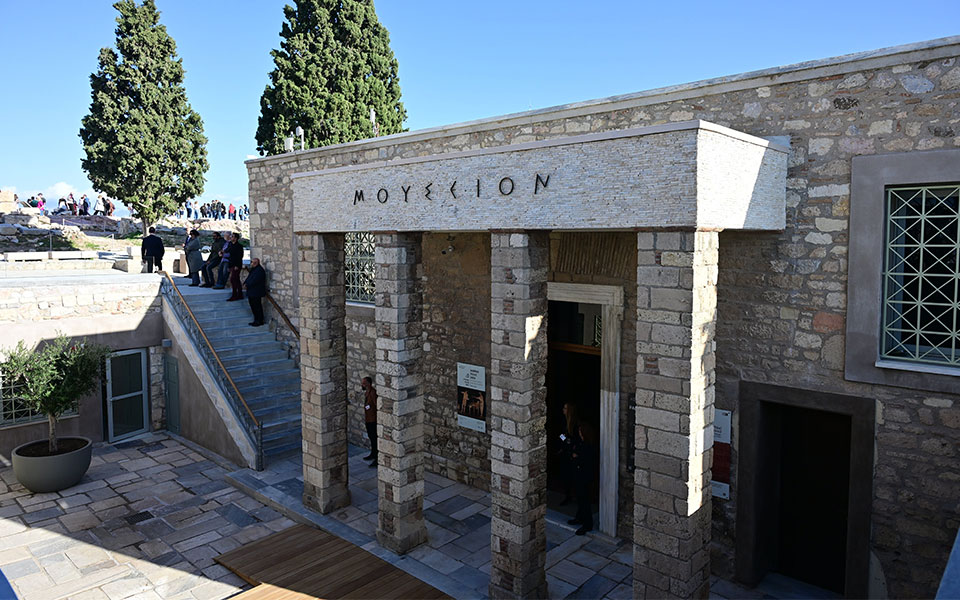
After nearly two decades behind closed doors, one of Athens’ most historic museums has welcomed visitors once again. The Old Acropolis Museum, a discreet stone building nestled into the eastern side of the Sacred Rock, officially reopened on November 23 following an extensive restoration. Designed by architect Panagis Kalkos and completed in 1874, the museum was the first building commissioned by the modern Greek state specifically to house a museum. Its deliberately restrained architecture, following the contours of the rocky hillside, was designed to blend into its extraordinary surroundings rather than compete with the ancient monuments. For more than 130 years, it safeguarded important finds from the Acropolis, including sculptures from the Parthenon and the Caryatids, before closing in July 2007. Its collections were subsequently transferred to the new Acropolis Museum, which opened at the foot of the hill in June 2009.
Now, rather than simply returning to its former role, the renovated building has been given a fresh cultural purpose. Its four exhibitions combine archaeological discoveries, digital technology and contemporary art, while upgraded storage and conservation facilities reinforce its continuing role in protecting the antiquities of the Acropolis.
© Intime News/Halkiopoulos Nikos
The centerpiece of the opening program is “Athens: City and Idea,” an archaeological exhibition presenting more than 750 finds spanning the city’s history, from prehistoric times to the classical period and beyond. Many are being displayed to the public for the first time. Arranged across five rooms, the objects – including inscriptions, sculptures, pottery and coins – offer glimpses into the political, religious, economic and everyday life of ancient Athens.
A separate permanent exhibition focuses on architectural fragments, sculptures and inscribed stones from the Acropolis itself, including remains of buildings that have long since disappeared. The displays also highlight the stories behind the sanctuary’s monuments, from religious dedications to inscriptions documenting the city’s public affairs.

© Intime News/Halkiopoulos Nikos
Technology takes center stage in “Parthenon Alive,” an immersive digital presentation experience combining archaeological research, artificial intelligence and three-dimensional reconstructions. Visitors can explore animated scenes from the Parthenon Frieze, depicting the Panathenaic procession, while a digital reconstruction traces approximately 3,500 years of history through around 100 monuments on the Acropolis and its slopes.
The fourth exhibition introduces contemporary art to the Sacred Rock through the work of Iraqi-American artist Michael Rakowitz. Titled “What Is Left Behind Is Not Only the Inscriptions,” the installation explores cultural memory, displacement and the journeys of objects between different civilizations, bringing ancient materials and historical narratives into conversation with the present.
The reopening also marks a change in how the museum operates behind the scenes. Modernized storage facilities provide better protection for architectural fragments and inscriptions, many of which had previously been scattered around the archaeological site or kept in areas inaccessible to visitors. Conservation facilities have also been upgraded, reinforcing the building’s role as a place not only for displaying antiquities but also for safeguarding them. “The Museum had to continue protecting antiquities, but also to be pioneering,” she said, outlining its new role as a space for archaeological research, exhibitions and contemporary artistic expression.
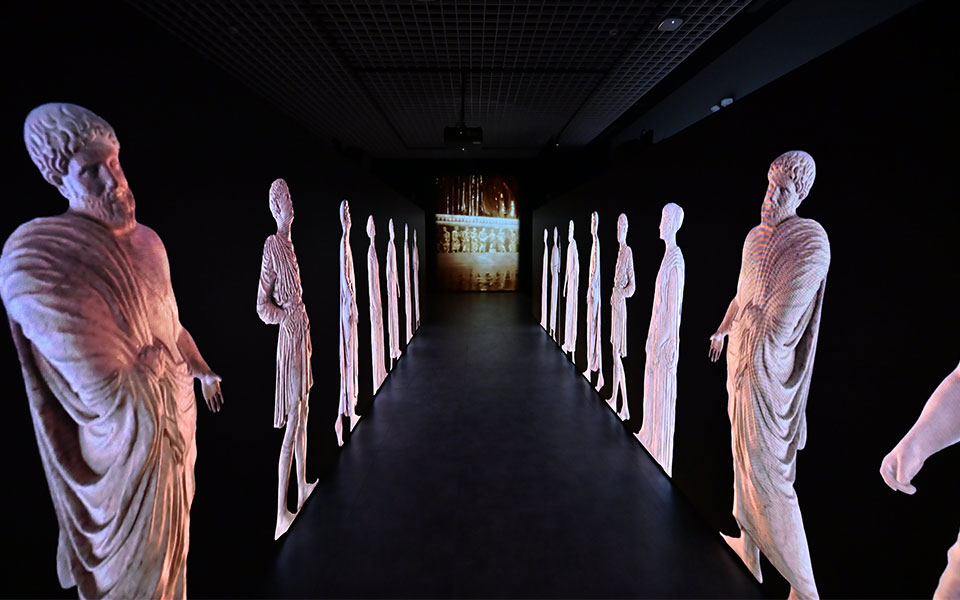
© Intime News/Halkiopoulos Nikos
Beyond the museum itself, visitors can now explore another newly upgraded area of the Acropolis. The Eastern Plateau, to the east and north of the building, has been opened up through a new visitor route, revealing archaeological remains including sections of Mycenaean fortifications, a Byzantine cistern and the Sanctuary of Pandion.
Together, the two projects offer a broader view of the Acropolis, bringing lesser-known chapters of its history into the visitor experience while giving a landmark of modern Greek archaeology a renewed purpose.
For World Alzheimer’s Month, a new…

Reports that negotiations between Greece and…

The Acropolis Museum in Athens marks…